Can Alternative Routes Replace the Strait of Hormuz?
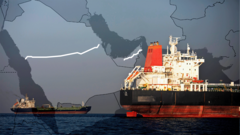
Experts suggest that despite the existence of alternative routes, none can fully replace the Strait of Hormuz. This strategically vital waterway is responsible for the transit of approximately one-quarter of the world's seaborne oil trade. The strait's unique geographical position makes it an indispensable chokepoint for global energy security. Any disruption to shipping through this narrow passage could have significant repercussions on international oil prices and supply chains. While other maritime routes exist, they often involve longer distances, higher costs, and increased logistical challenges. These factors limit their effectiveness as direct substitutes for the Strait of Hormuz. Therefore, the global reliance on this specific waterway remains exceptionally high. The discussion around alternative routes highlights the ongoing concerns regarding the security and stability of this critical energy transit point. The strategic importance of the Strait of Hormuz underscores the complex geopolitical dynamics surrounding global oil transportation.
The Strait of Hormuz's critical role in global oil transit, handling roughly 25% of seaborne oil trade, presents a significant geopolitical and economic vulnerability. While alternative routes are being explored, their current limitations in terms of cost, distance, and infrastructure mean they cannot fully mitigate the risks associated with this chokepoint. This dependency highlights a systemic challenge in global energy logistics, where a single, narrow passage holds disproportionate influence over international markets. Future energy security strategies will likely need to focus on diversifying supply sources and investing in resilient infrastructure to reduce reliance on such concentrated transit points, especially in the context of evolving geopolitical landscapes and the increasing demand for energy.
AI-generated to prompt reflection — not editorial opinion, not advice, not a statement of fact. How this works.