Can Animal Blood Be Used in Humans?
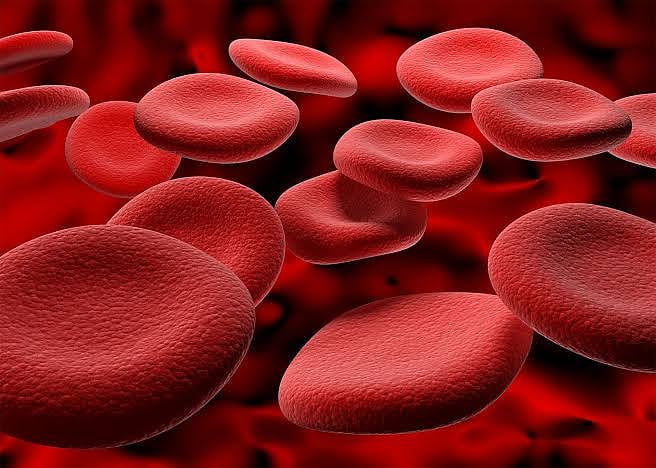
Animal blood cannot be used in humans due to significant differences in its components compared to human blood, which can lead to adverse reactions. While historically, animal blood serum or insulin was used, severe bodily reactions were observed, leading to the discontinuation of these practices. The antigens present in animal blood are not recognized by the human body, resulting in negative immune responses. Furthermore, the use of animal blood could potentially lead to untreatable diseases, posing a grave risk to human health. Consequently, animal blood and its components are deemed unsuitable for human transfusion or medical use. The article also briefly touches upon the possibility of creating artificial blood, drawing a parallel to the development of synthetic insulin.
The historical use and subsequent abandonment of animal blood components for human medical applications highlight the critical importance of immunological compatibility and the potential for severe, unforeseen consequences when biological systems interact across species barriers. This serves as a cautionary example in medical innovation, underscoring the need for rigorous testing and a deep understanding of biological mechanisms before widespread implementation. As medical science advances, particularly in areas like xenotransplantation and synthetic biology, lessons learned from past failures emphasize the ethical and practical challenges of interspecies biological integration. Future research must prioritize safety, efficacy, and the long-term health implications for recipients, ensuring that technological progress does not outpace our understanding of complex biological interactions and potential risks.
AI-generated to prompt reflection — not editorial opinion, not advice, not a statement of fact. How this works.