Can Keir Starmer's Casual Style Survive Downing Street?
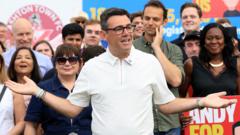
As Keir Starmer prepares to potentially become the UK's Prime Minister, questions are arising about whether his signature casual dress code can endure the demands of leading the country. Starmer has built a political brand around a more relaxed and informal style of attire, often seen in jumpers rather than traditional suits. This approach has resonated with some voters, projecting an image of authenticity and relatability. However, the transition to the highest office of government, specifically to 10 Downing Street, presents a significant shift in expectations. The traditional setting of British politics, particularly within the Prime Minister's office, has historically been associated with formal dress codes. The weight of tradition and the symbolic importance of attire in such a role are considerable. It remains to be seen if Starmer can maintain his personal style while meeting the perceived requirements of his new position, or if political pressures will necessitate a more conventional approach to his public appearance.
The question of a political leader's attire touches upon the complex interplay between personal branding, public perception, and institutional expectations. While Starmer's casual style may aim to project authenticity and a departure from traditional political formality, the symbolic weight of the Prime Minister's office at 10 Downing Street often necessitates a presentation that aligns with historical norms and perceived gravitas. Navigating this can be seen as a strategic challenge: maintaining a distinct personal identity versus conforming to established conventions that may be interpreted as conveying seriousness and authority. The evolving nature of political communication in the digital age suggests that leaders must balance these elements to connect with a diverse electorate while also commanding respect within governmental and international arenas. The long-term implications for leadership image will likely depend on how effectively such a balance is struck, potentially influencing future trends in political presentation.
AI-generated to prompt reflection — not editorial opinion, not advice, not a statement of fact. How this works.