Can Robotic Sensors Be Developed Using Elephant Trunk Hairs?
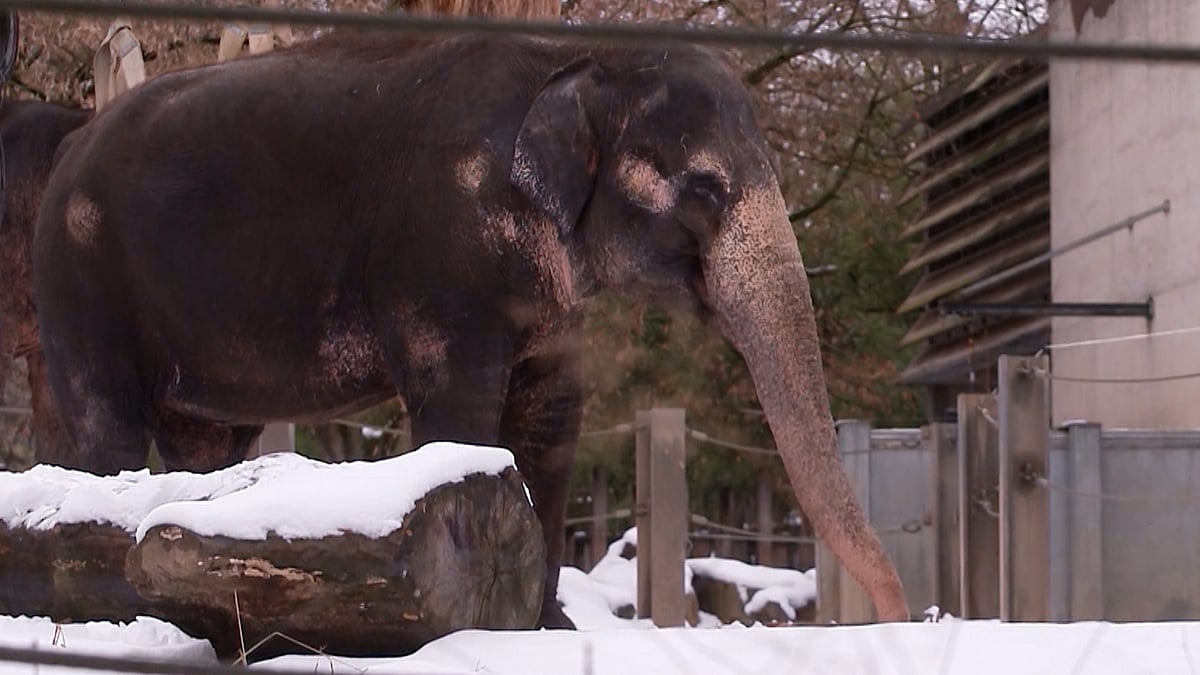
Researchers are exploring the potential of using the fine hairs from an elephant's trunk to develop robotic sensors. The unique characteristics of these delicate hairs are prompting scientific inquiry into their applicability in advanced technological fields. The texture and sensitivity of elephant trunk hairs are believed to offer properties that could be leveraged for creating sophisticated sensing mechanisms. This investigation aims to understand if these biological structures can be replicated or integrated into robotic systems for enhanced functionality. The study focuses on the micro-level attributes of the hairs to determine their suitability for sensor development. Further research will be needed to ascertain the feasibility and practical applications of such a concept.
This research initiative explores biomimicry, drawing inspiration from the natural world to advance robotic capabilities. By examining the unique properties of elephant trunk hairs, scientists aim to unlock novel approaches to sensor technology. This could lead to more sensitive and adaptable robotic systems, potentially impacting fields from prosthetics to environmental monitoring. The investigation highlights the ongoing trend of integrating biological principles into artificial intelligence and robotics, seeking to bridge the gap between natural and engineered systems. Understanding such biological structures may offer insights into developing more efficient and responsive artificial sensory organs for future AI applications.
AI-generated to prompt reflection — not editorial opinion, not advice, not a statement of fact. How this works.