Can Swimming Transmit Chickenpox?
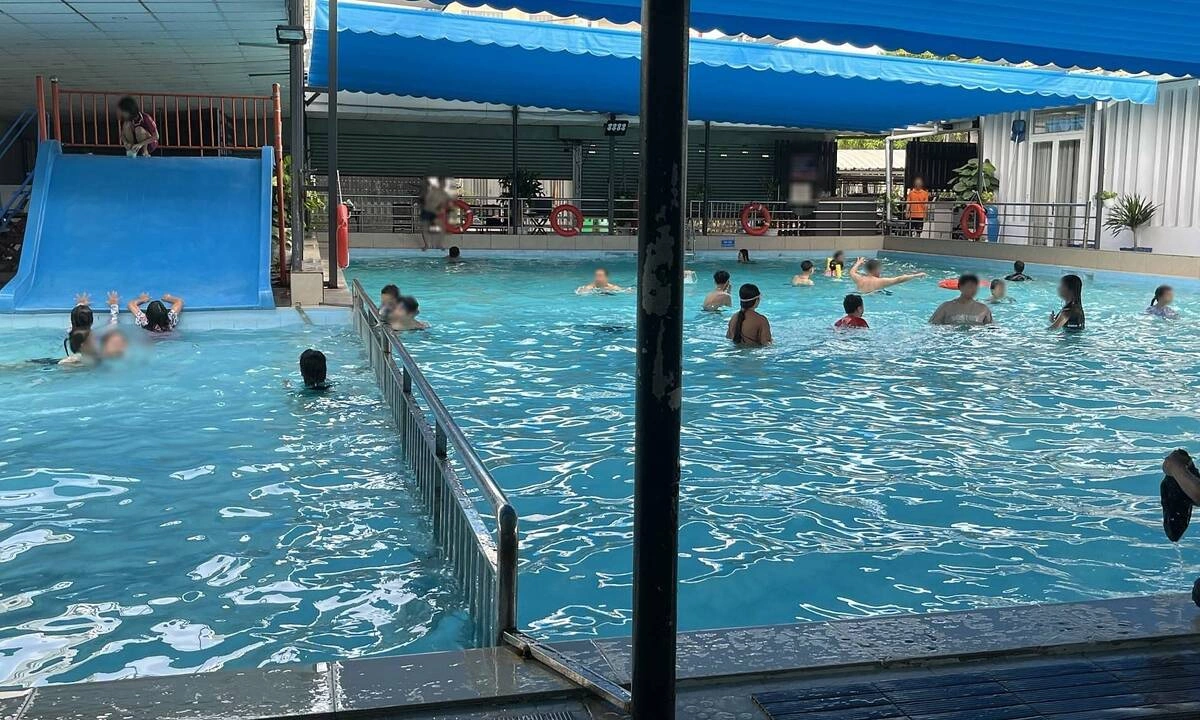
A resident of the same apartment building who contracted shingles swam with the user's child. The user is asking if their child could have contracted the illness. Shingles is caused by the varicella-zoster virus (VZV), which is the same virus that causes chickenpox. While shingles is not directly contagious, the VZV can be transmitted to someone who has never had chickenpox or the chickenpox vaccine. In such cases, the infected individual will develop chickenpox, not shingles. Transmission occurs through direct contact with the rash blisters. The question implies a concern about potential exposure through shared water in a swimming pool. However, the varicella-zoster virus does not survive well in chlorinated water and is generally not considered a significant risk for transmission in swimming pools. The primary risk of transmission is through direct contact with the fluid from the shingles blisters.
This query touches upon the transmission vectors of the varicella-zoster virus. While shingles and chickenpox are caused by the same virus, the risk of transmission in a shared swimming environment is generally low. The virus requires direct contact with infectious fluid from blisters for transmission. Public health guidelines typically emphasize that VZV does not survive effectively in treated pool water, mitigating the risk of indirect transmission through swimming. This scenario highlights a common public concern regarding the contagiousness of viral infections and the perceived risks in shared public spaces. Understanding the specific conditions required for viral shedding and transmission is crucial for accurate risk assessment and public health communication.
AI-generated to prompt reflection — not editorial opinion, not advice, not a statement of fact. How this works.