Can the Ballon d'Or be won without a World Cup title? Organizers weigh in
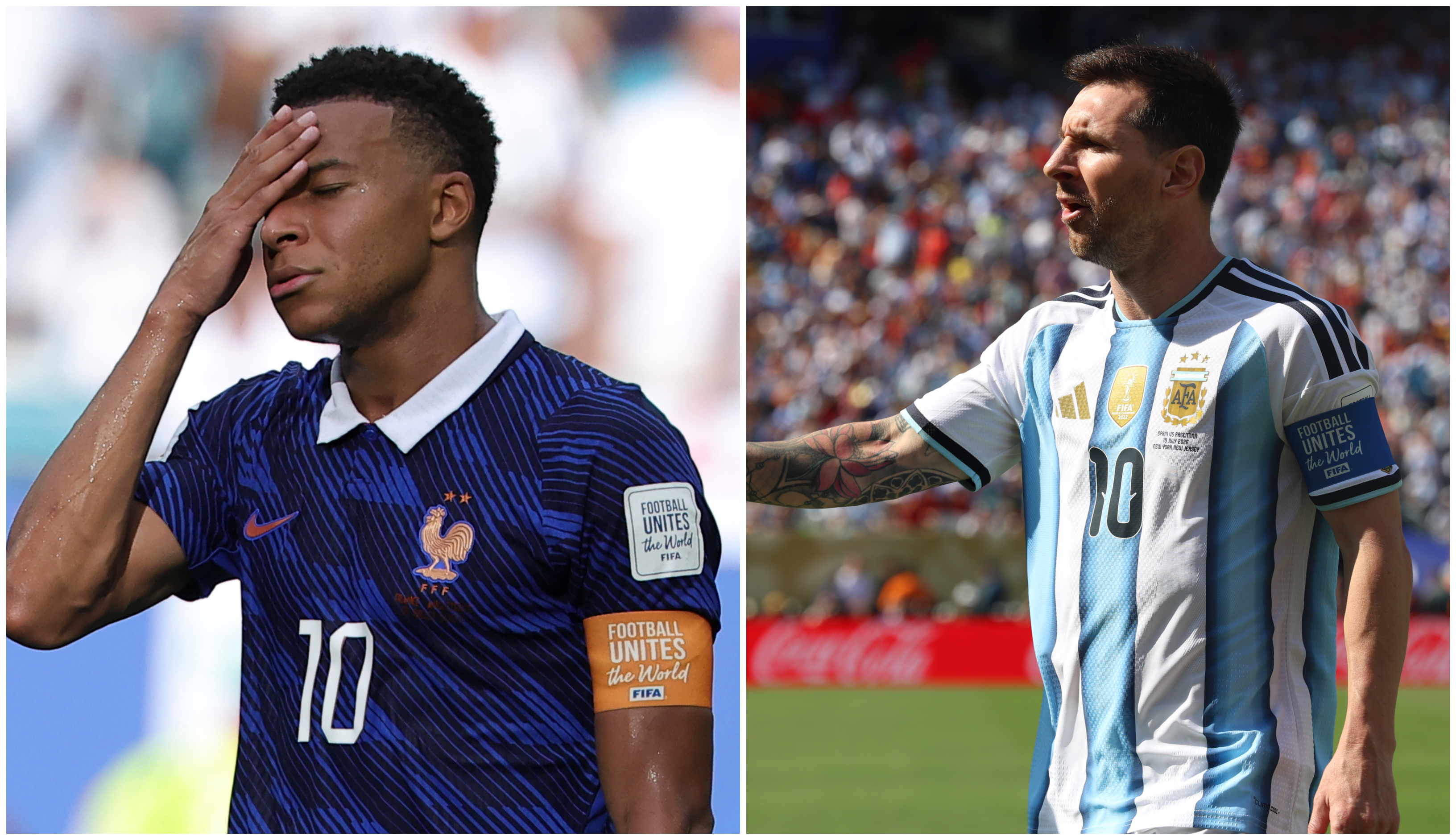
The FIFA World Cup has concluded, leaving no room for error for top players who needed to be decisive in leading their teams to the final stages of the tournament. The question of whether a player can win the prestigious Ballon d'Or award without lifting the World Cup trophy has been a recurring debate. Organizers and football experts have provided their perspectives on this matter, considering the criteria and historical precedents for awarding football's highest individual honor. While winning the World Cup has often been a significant factor, it is not always the sole determinant for securing the Ballon d'Or. Player performance throughout the entire calendar year, including club competitions and other international tournaments, is also taken into account. The debate highlights the complex interplay between individual brilliance, team success, and the overall impact a player has on the sport. Ultimately, the decision rests with the voting body, which considers a multitude of factors beyond just the World Cup outcome.
The Ballon d'Or, as an individual award, navigates the inherent tension between celebrating singular talent and acknowledging team achievements. Historically, World Cup success has heavily influenced the award, creating an expectation that this pinnacle of international football is a prerequisite. However, the award's criteria also encompass a full year of performance across club and international competitions. This dynamic suggests that the organizers and voters must continually balance the prestige of the World Cup against a player's consistent excellence and impact in other major tournaments and leagues. In the evolving landscape of professional football, where club competitions garner immense global attention and financial investment, the relative weight given to the World Cup versus other achievements may continue to be a subject of discussion and recalibration over the next decade.
AI-generated to prompt reflection — not editorial opinion, not advice, not a statement of fact. How this works.