Can the Human Body Adapt to Repeated Heatwaves?
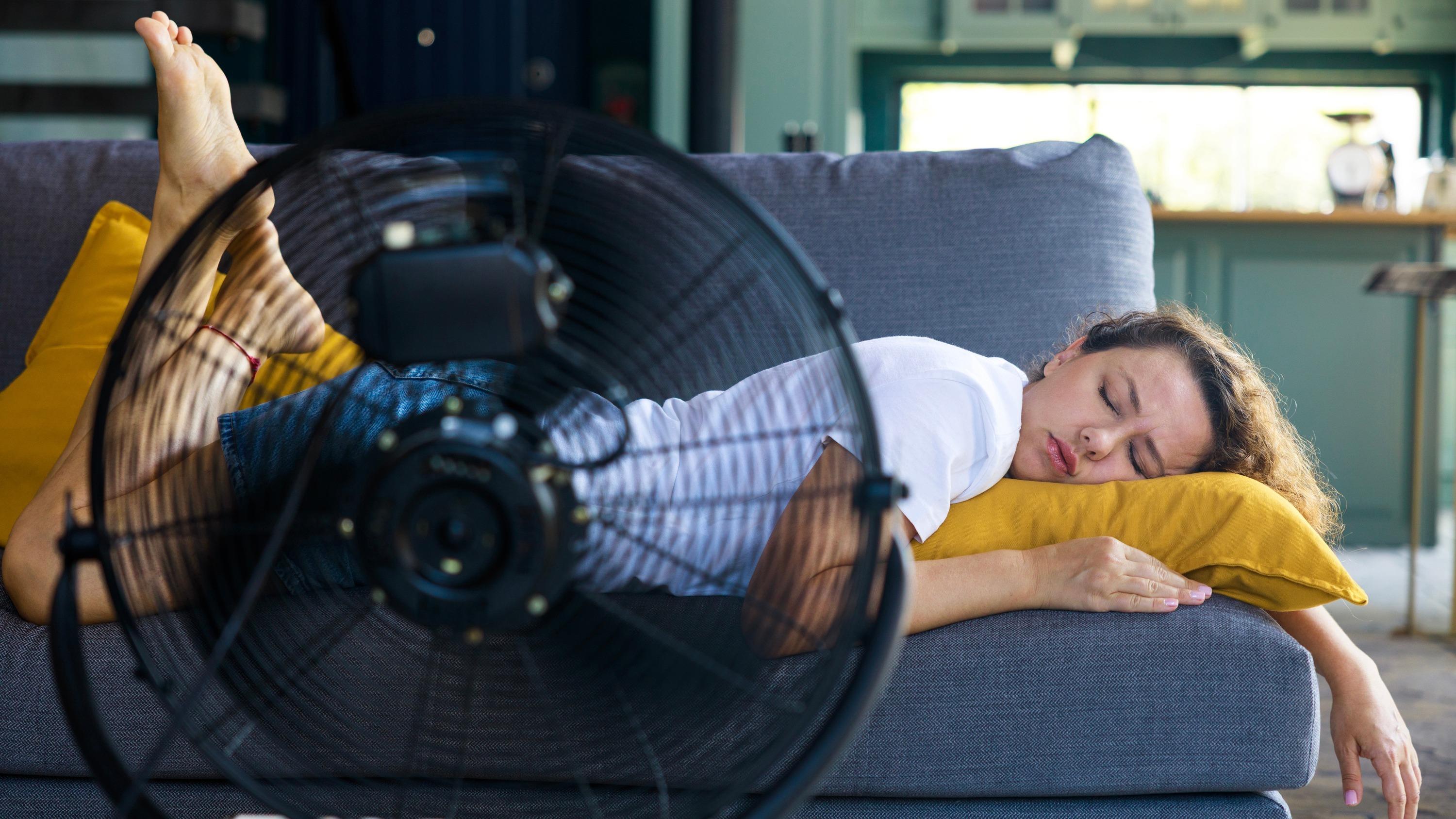
France is currently experiencing an extreme heat episode, marking the third such event in just six weeks. This recurring phenomenon raises significant questions about the human body's capacity to adapt to increasingly frequent and intense heatwaves. Scientists are investigating the physiological mechanisms involved in acclimatization to high temperatures. The body's ability to cope with heat stress depends on various factors, including age, overall health, and the duration and intensity of exposure. Repeated exposure can lead to a process of acclimatization, where the body becomes more efficient at regulating its temperature through mechanisms like increased sweating and improved blood flow to the skin. However, there are limits to this adaptation. Prolonged or extreme heat can overwhelm these mechanisms, leading to heat-related illnesses such as heat exhaustion and heatstroke. The long-term effects of chronic heat exposure on human health are also a growing concern, potentially exacerbating existing conditions and impacting cardiovascular and respiratory systems. As climate change intensifies, understanding these adaptive limits and developing effective public health strategies to mitigate the risks associated with extreme heat becomes increasingly critical.
The recurring extreme heat events in France highlight the growing challenge of climate change adaptation. While the human body possesses some capacity for acclimatization to heat, repeated and intense exposures test these limits. This situation underscores the need for robust public health infrastructure and urban planning strategies that prioritize heat resilience. Future societal planning must consider the long-term implications of a warming climate on human health and well-being, moving beyond reactive measures to proactive, systemic solutions that protect vulnerable populations and ensure sustainable living conditions in an era of escalating environmental pressures.
AI-generated to prompt reflection — not editorial opinion, not advice, not a statement of fact. How this works.