Can Your Neighbor Keep a Ball That Lands in Their Yard? The US Legal Answer
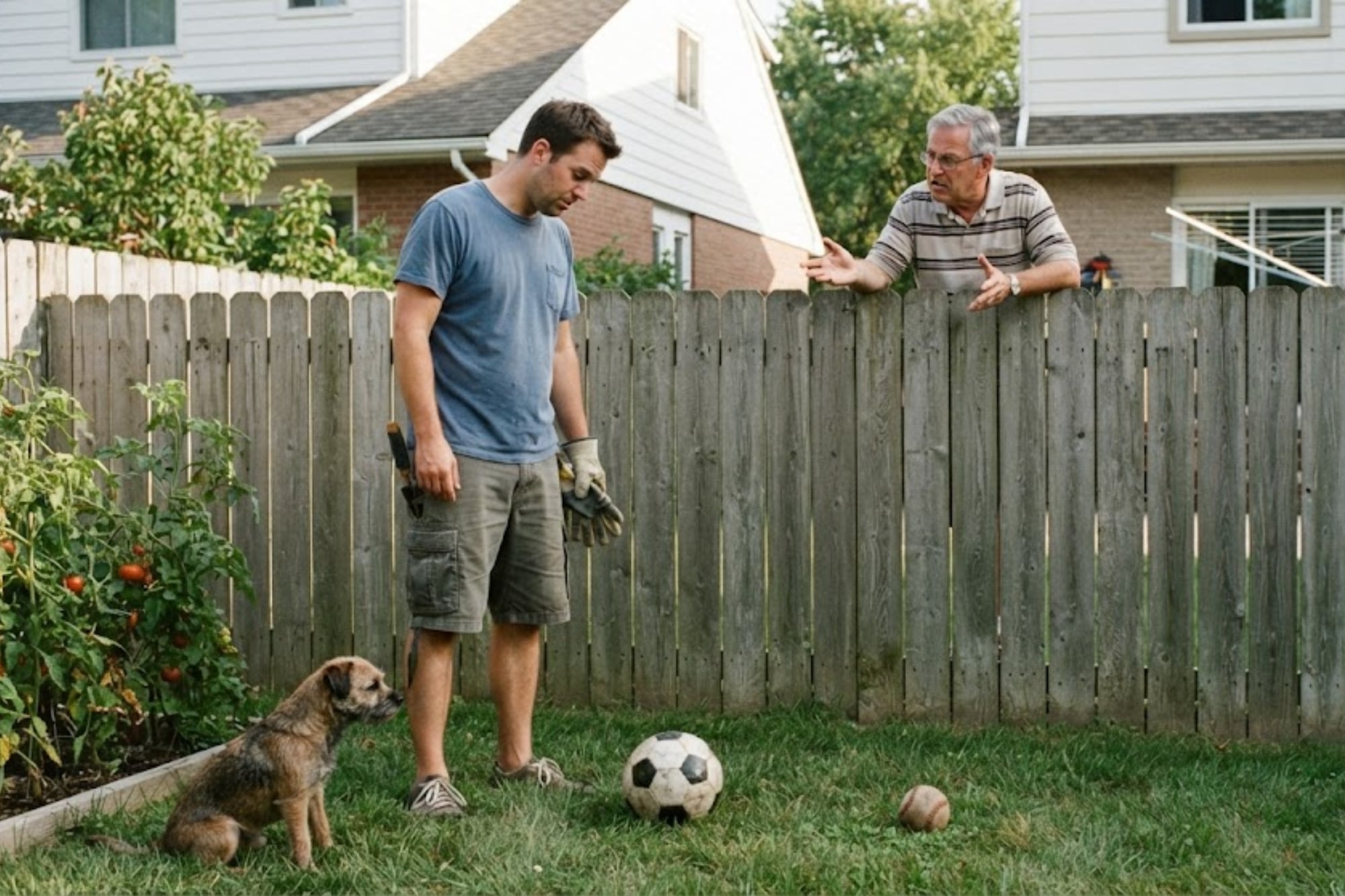
In the United States, the legal answer to whether a neighbor can keep a ball that lands in their yard hinges on property law and the concept of "lost property." Generally, if an object, like a ball, accidentally enters a neighbor's property, it is considered a form of trespass, but the owner does not automatically forfeit ownership. The neighbor is typically expected to return the item to its rightful owner, especially if the owner can be identified. Refusing to return a clearly identifiable item could potentially lead to legal issues for the neighbor, such as claims of conversion or theft, depending on the jurisdiction and specific circumstances. However, the situation can become more complex if the item is not immediately claimed or if the owner cannot be identified. Some legal interpretations might suggest that if property is abandoned or unclaimed after a certain period, it could be considered legally "found" and potentially kept by the finder. Nevertheless, the initial expectation is usually that neighbors will act reasonably and return misplaced belongings. The core principle revolves around respecting personal property rights while also addressing the practicalities of shared living spaces.
This scenario touches upon the intersection of property rights and neighborly conduct within the US legal framework. While the law generally protects ownership of personal property, including a child's ball, the practical application often involves principles of reasonableness and good faith between adjacent property owners. The legal system seeks to balance the owner's right to retrieve their property against the neighbor's right to undisturbed possession of their land. Disputes in such cases can highlight the importance of clear communication and established norms for resolving minor property encroachments, rather than immediate recourse to legal action. Over time, evolving societal expectations and the increasing density of residential areas may necessitate clearer guidelines or alternative dispute resolution mechanisms to manage these common, albeit minor, inter-neighbor property issues.
AI-generated to prompt reflection — not editorial opinion, not advice, not a statement of fact. How this works.