Canada Cancels Joint Bridge Opening Ceremony With US Over Trump Tariffs
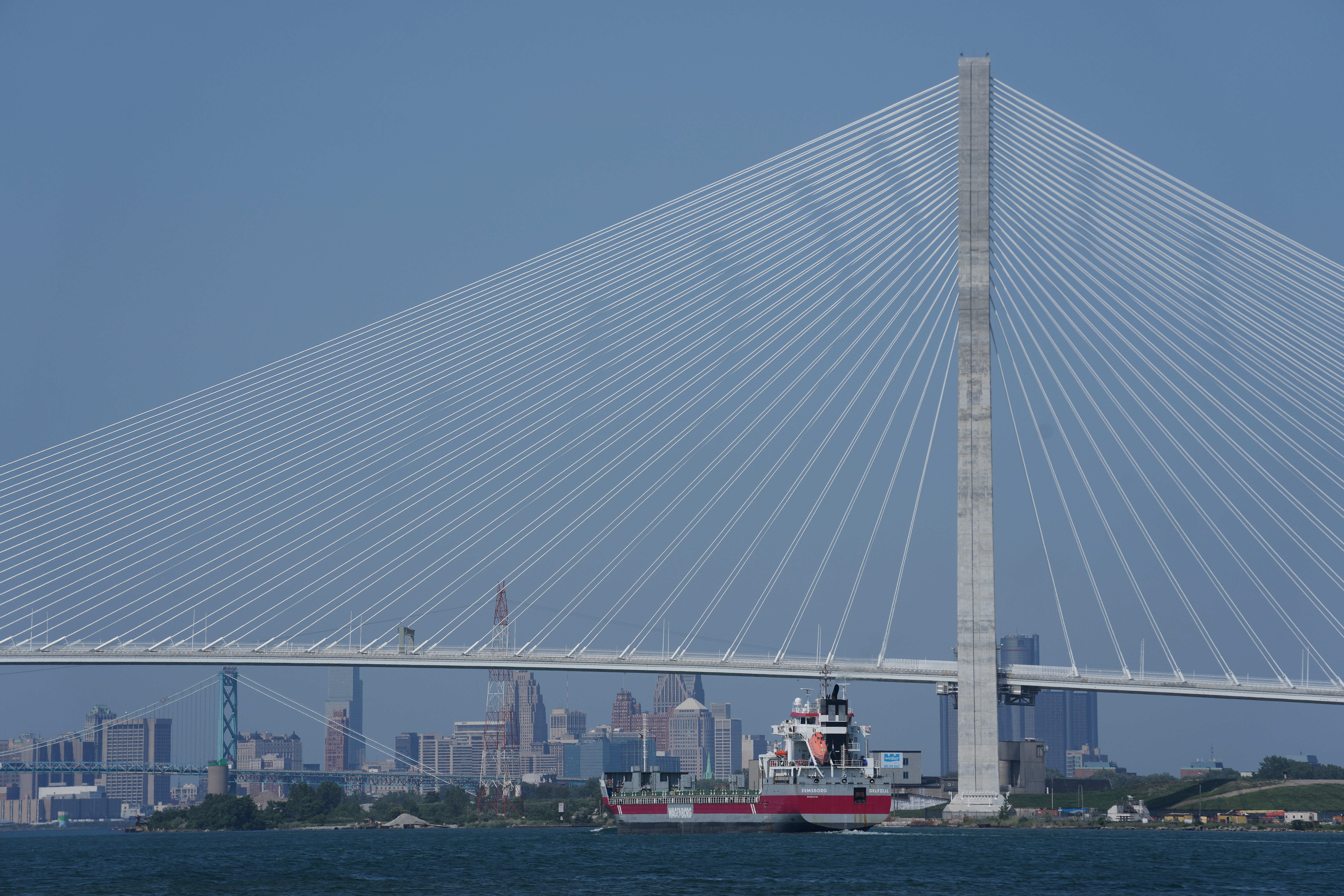
Canada has canceled a joint inauguration ceremony for the Gordie Howe International Bridge, which connects Detroit, Michigan, to Windsor, Ontario, following President Donald Trump's announcement of a 50% tariff on Canadian goods. The U.S. government imposed the tariff, which targets a wide range of imported products, stating it aims to offset perceived disadvantages from trade discrimination against the United States. The joint ceremony was scheduled for Friday, May 24th, but Canada's Infrastructure Minister Gregor Robertson's office deemed it inappropriate to proceed given the U.S. trade threats. Canada now plans to hold its own separate opening event. The bridge, spanning 2.4 kilometers over the Detroit River, began construction in 2018 and cost nearly $4.4 billion, funded by Canada with cost recovery through tolls. This project, named after Canadian hockey legend Gordie Howe, is intended to be a major commercial route. Previously, in February, President Trump had publicly demanded at least half ownership of the bridge for the U.S. and other unspecified concessions from Canada. While the joint ceremony is off, U.S. officials anonymously indicated that the bridge's opening to traffic on July 27th is still expected, though with less certainty than before.
The cancellation of the joint bridge opening highlights the volatile nature of bilateral trade relations under protectionist policies. By leveraging infrastructure projects for broader trade negotiations, the U.S. administration introduced significant uncertainty into a critical economic gateway. This action underscores the potential for geopolitical friction to disrupt essential cross-border commerce and infrastructure development, impacting supply chains and economic integration. Future infrastructure projects may require more robust dispute resolution mechanisms to insulate them from broader political disputes, ensuring that critical trade arteries remain functional regardless of fluctuating diplomatic relations. The incident also raises questions about the long-term stability of international trade agreements and the predictability of cross-border investment when national security or economic leverage becomes a primary tool of negotiation.
AI-generated to prompt reflection — not editorial opinion, not advice, not a statement of fact. How this works.