Canada Joins Japan-Led Fighter Jet Program, Boosting Future Prospects
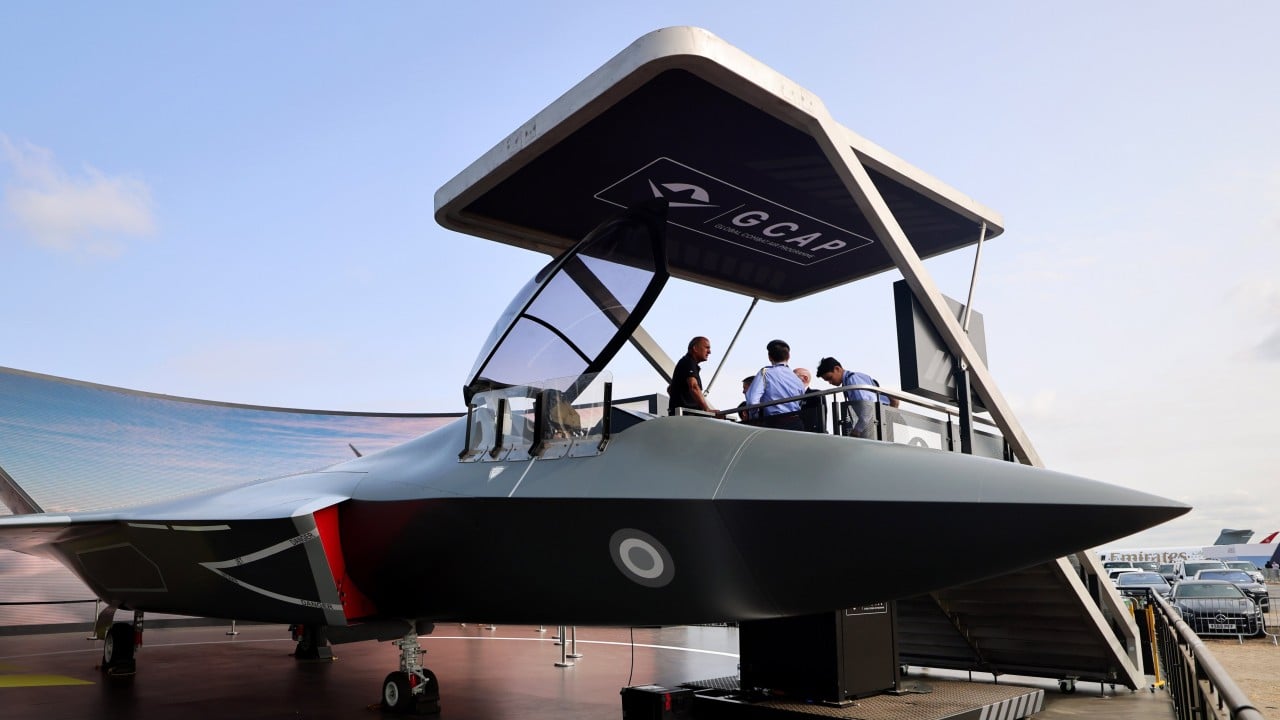
Canada's recent decision to participate in the Global Combat Air Programme (GCAP) has significantly alleviated Japan's concerns regarding its future fighter jet capabilities. This development is seen as crucial for Japan, which views GCAP as essential for replacing its aging F-2 fighter jets and ensuring no gaps in its air defense capabilities. The program, spearheaded by Japan, also includes Britain and Italy, with Germany reportedly considering its own involvement. Canada's entry is expected to inject new momentum into GCAP, a collaborative effort aimed at developing a next-generation fighter aircraft. Analysts suggest that this broader international participation could strengthen the project's viability and technological advancement. Japan has previously expressed frustration with certain aspects of the program's development, but the expanded coalition may offer solutions and shared resources. The inclusion of multiple nations aims to distribute the significant costs and risks associated with developing advanced military hardware. This strategic alliance underscores the growing importance of international cooperation in modern defense initiatives.
The expansion of the Global Combat Air Programme (GCAP) to include Canada and potentially Germany signifies a strategic shift towards collaborative defense development. This multilateral approach aims to mitigate the substantial financial and technological burdens of creating next-generation fighter aircraft, a necessity driven by evolving geopolitical landscapes and the rapid advancement of aerospace technology. By pooling resources and expertise, participating nations can enhance their individual defense postures while fostering interoperability and burden-sharing. However, the complexity of coordinating diverse national requirements, industrial bases, and strategic priorities presents significant governance challenges. Future success will hinge on robust project management, transparent information sharing, and a shared long-term vision that balances national interests with collective security objectives in the coming decade.
AI-generated to prompt reflection — not editorial opinion, not advice, not a statement of fact. How this works.