Canada Plans 3,300 KM Oil Pipeline to Reduce US Dependence
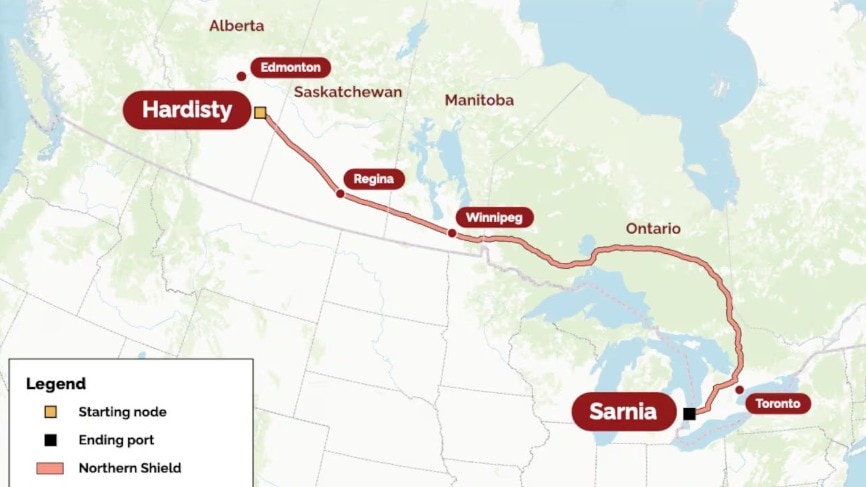
Canada is preparing to construct a 3,300-kilometer-long oil pipeline. This significant infrastructure project aims to decrease the country's reliance on the United States market. Additionally, the pipeline is seen as an effort to address long-standing political and economic grievances within Alberta. The initiative reflects a strategic move to diversify energy export routes and potentially bolster domestic economic interests. The project's scale suggests a substantial investment and a long-term commitment to altering Canada's energy trade dynamics. It represents a bid to gain greater control over its energy resources and their destination.
The proposed oil pipeline signifies Canada's strategic intent to diversify its energy export markets, thereby mitigating risks associated with over-reliance on a single trading partner. This move could reshape regional economic dynamics and Alberta's political standing by creating alternative revenue streams. From a systems perspective, such infrastructure projects are critical for energy security and economic resilience in an evolving global landscape. The long-term viability will depend on market demand, regulatory approvals, and international energy politics, particularly concerning environmental standards and geopolitical stability.
AI-generated to prompt reflection — not editorial opinion, not advice, not a statement of fact. How this works.