Canada's Eurovision Debut: Geopolitical Move Raises Organizational Questions
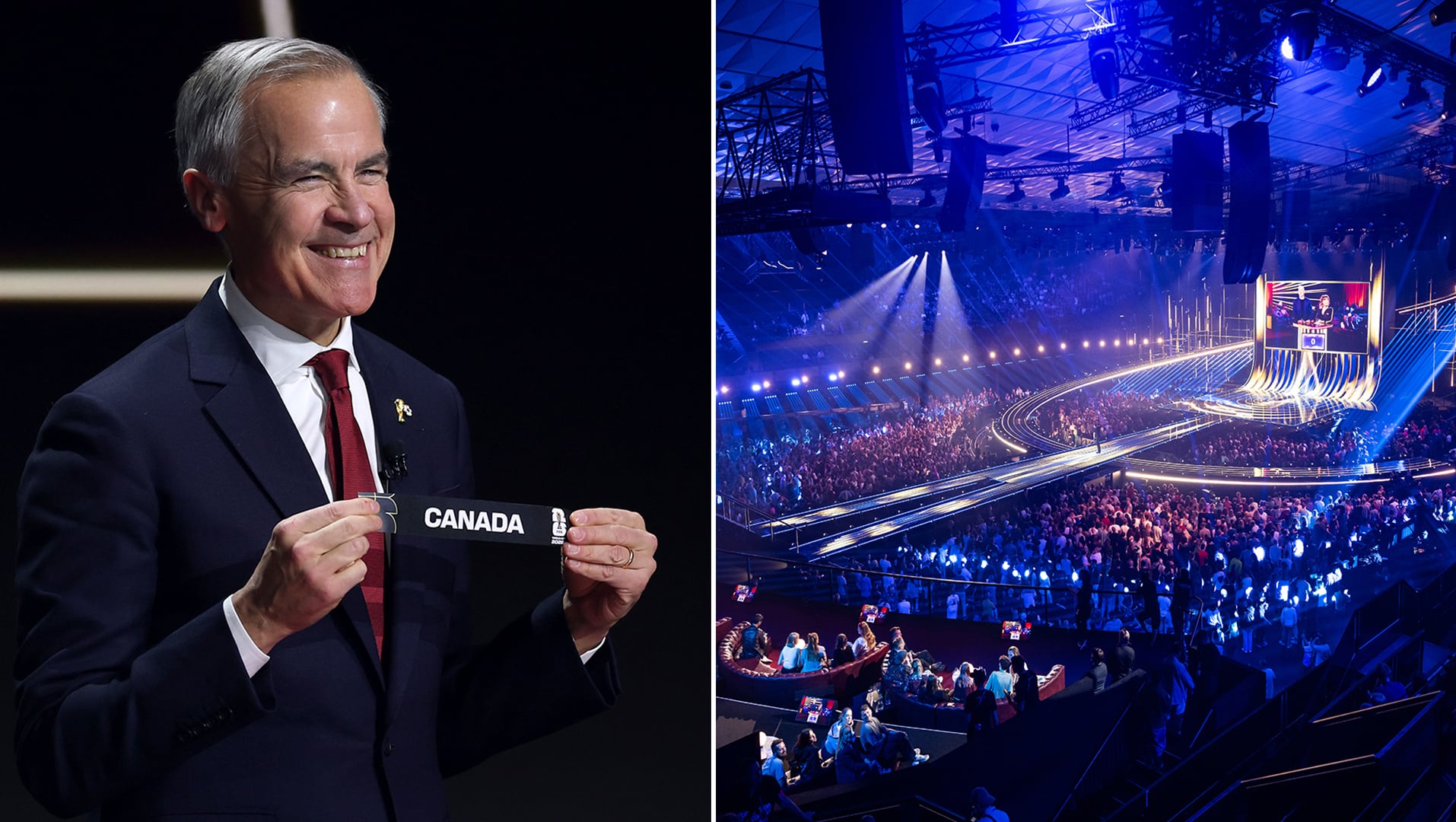
Canada will participate officially in the Eurovision Song Contest for the first time. The government, led by Mark Carney, has strongly supported the Canadian bid. This participation occurs within a shifting international landscape. While the exact nature of the geopolitical implications remains to be seen, the move signals Canada's engagement with global cultural platforms. However, its entry into the long-standing European competition has also sparked questions regarding organizational logistics and potential impacts on the contest's traditional format. The specifics of how Canada will integrate into the event and what resources will be allocated are yet to be fully clarified. This development marks a significant departure from Eurovision's historical focus on European nations.
Canada's participation in Eurovision, backed by its government, can be viewed as a strategic cultural diplomacy initiative aimed at enhancing its international soft power and global visibility. This move into a widely recognized European cultural event may reflect a broader geopolitical strategy to strengthen ties and project influence beyond traditional alliances. The organizational challenges anticipated suggest a need for robust logistical planning and clear governance frameworks to ensure smooth integration without disrupting the established traditions of the contest. Future iterations of Eurovision may need to consider the implications of non-European participation on its identity and operational scope.
AI-generated to prompt reflection — not editorial opinion, not advice, not a statement of fact. How this works.