Canada Selects German Firm ThyssenKrupp for $11.2 Billion Submarine Deal
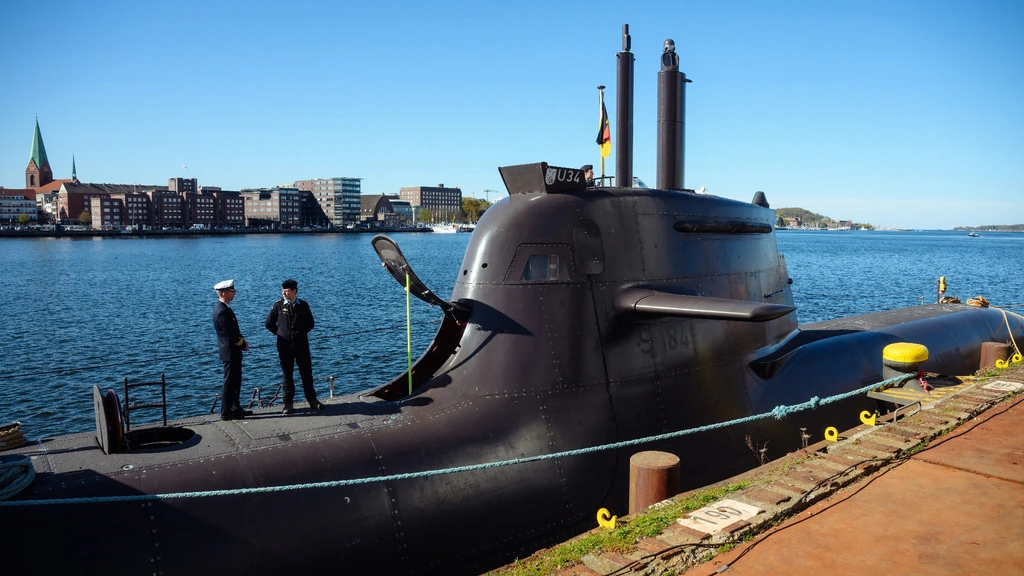
Canada has chosen German company ThyssenKrupp Marine Systems (TKMS) to build twelve new submarines, reportedly costing 10.5 billion euros (approximately $11.2 billion USD). This decision was announced by Canadian Prime Minister Carney just before the NATO summit in Ankara, and he described it as the largest military procurement in Canadian history. The Canadian government will now enter into further contract negotiations with TKMS. Beyond construction, TKMS is also expected to handle maintenance for the submarines for decades, incurring additional multi-billion euro costs. These diesel-electric submarines are designed for long-term operation under ice and will be used by Canada to enhance its influence in the Arctic region. TKMS is recognized as the world's largest manufacturer of non-nuclear submarines, with other NATO countries also utilizing their vessels. The new fleet will replace four aging submarines acquired second-hand from the United Kingdom in the late 1990s, most of which are currently undergoing maintenance. This marks Canada's first purchase of new submarines. The country is increasing its military spending significantly, partly due to pressure from former U.S. President Trump. Defense expenditures have risen to 2% of GDP since Carney took office and are targeted to reach 5% by 2035, as agreed upon at the NATO summit in The Hague last year. American companies did not participate in the bidding process as they specialize in nuclear-powered submarines, whereas Canada specifically sought diesel-electric vessels.
Canada's selection of TKMS for its submarine fleet represents a significant strategic investment aimed at bolstering Arctic sovereignty and fulfilling NATO commitments. The substantial financial outlay, projected to exceed tens of billions of euros over the lifecycle of the vessels, underscores the long-term implications for national defense budgets. This procurement aligns with Canada's stated goal of increasing defense spending to 5% of GDP by 2035, a target influenced by geopolitical pressures and evolving security landscapes. The choice of diesel-electric technology over nuclear propulsion reflects specific operational requirements for Arctic conditions and potentially a different strategic calculus compared to allies focused on blue-water naval power. This decision highlights the complex interplay between technological capability, geographic imperatives, and alliance dynamics in shaping national defense procurement strategies for the coming decades.
AI-generated to prompt reflection — not editorial opinion, not advice, not a statement of fact. How this works.