Canada Wildfires Spark Trump Tariff Threat, Impacting World Cup Final Air Quality
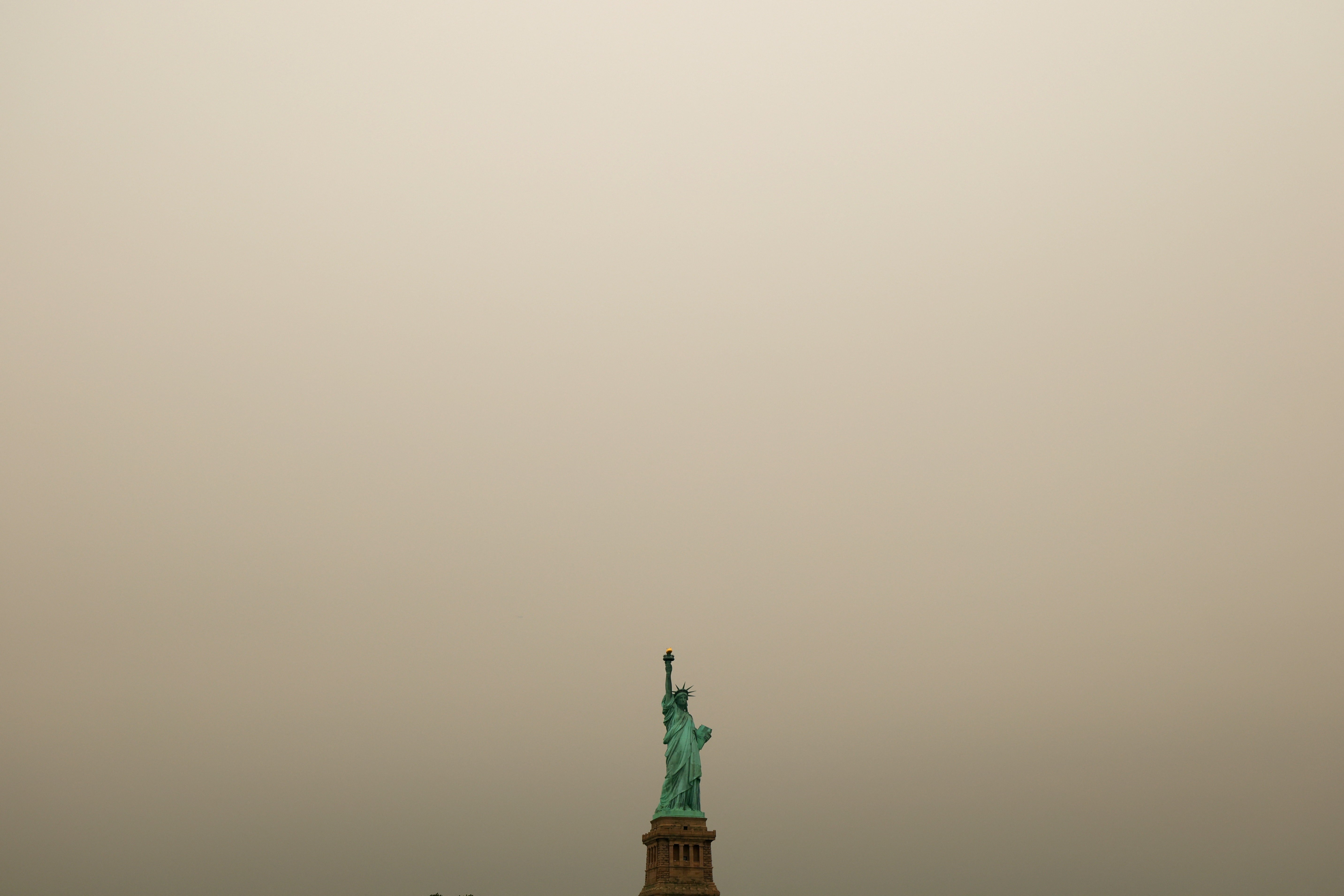
Wildfires raging in Canada have prompted U.S. President Donald Trump to threaten new tariffs on Canada, citing the economic impact of wildfire smoke pollution reaching the United States. The smoke has significantly affected air quality in several U.S. regions, including New York and New Jersey, where the World Cup final is scheduled to be held on Sunday, July 19, 2026. Organizers are closely monitoring the situation, with concerns that smoke could drift south, impacting the match at MetLife Stadium in East Rutherford. As of Saturday, 937 wildfires were active in Canada, with most out of control, according to the Canadian Wildland Fire Information System. Trump accused Canada of "Deliberate Negligence" in forest management, stating that the cost of pollution should be factored into existing tariffs. He expressed his intention to speak with Canadian Prime Minister Mark Carney regarding the issue. Canadian Minister of Emergency Management Eleanor Olszewski affirmed ongoing communication with the U.S. and highlighted Canada's substantial investment of US$12 billion (approximately R$61.4 billion) in forest sustainability and fire prevention since 2020. Cities like Detroit, Washington, and Chicago experienced some of the world's worst air quality, leading to recommendations for reduced outdoor activity. While air quality in New Jersey and New York improved after an initial severe haze, meteorologists warned that prevailing winds could continue to push smoke into the Northeast. Health experts noted that fine particles in wildfire smoke primarily affect the lungs and can contain various combustion byproducts, posing health risks, particularly in the Upper Midwest regions closest to the fires, which are experiencing hazardous air quality levels.
The U.S. president's linkage of Canadian wildfire smoke to tariff threats highlights the complex transboundary environmental challenges posed by climate change and resource management. This situation underscores the interconnectedness of national policies and their international repercussions, particularly concerning shared atmospheric resources. The framing of "Deliberate Negligence" and the demand for tariff compensation, while politically charged, point to underlying systemic issues in forest management practices and international cooperation frameworks. Future governance models may need to incorporate more robust mechanisms for shared environmental stewardship and dispute resolution, moving beyond punitive trade measures to foster collaborative solutions for climate-induced crises. The event also serves as a stark reminder of the increasing frequency and intensity of extreme weather events, necessitating proactive adaptation strategies and a re-evaluation of infrastructure resilience, such as that required for major sporting events.
AI-generated to prompt reflection — not editorial opinion, not advice, not a statement of fact. How this works.