Canadian Air Quality Alerts Issued Due to U.S. Wildfire Smoke
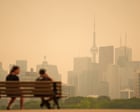
Canadian officials have issued air quality warnings in parts of the country due to smoke originating from wildfires in the United States. The province of British Columbia issued an alert on Saturday evening, stating that smoke from U.S. fires was causing hazy conditions. This development follows days where smoke from Canadian wildfires had drifted south, impacting major U.S. cities. The U.S. president, Donald Trump, had previously accused Canada of improper fire management in response to the smoke affecting American areas. The current situation highlights the transboundary nature of air pollution from wildfires, demonstrating how environmental events can impact neighboring countries.
Thousands of lightning strikes in the northeastern U.S. are reported to have fueled the fires contributing to the smoke now affecting Canada. This exchange of smoke across the border underscores the interconnectedness of environmental issues and international relations. The tariff threat from the U.S. president adds a layer of political tension to the environmental crisis.
The cross-border movement of wildfire smoke illustrates the complex environmental and political dynamics that arise from large-scale natural events. While smoke plumes are a natural phenomenon, their impact on air quality and public health necessitates coordinated responses between nations. The U.S. president's tariff threat, however, introduces a political leverage point into an environmental issue, potentially complicating diplomatic efforts and collaborative solutions. This situation highlights a systemic challenge: how to address shared environmental risks, such as transboundary pollution, when political and economic interests become intertwined. Future governance frameworks may need to prioritize environmental cooperation over punitive measures to effectively manage such crises, recognizing that air and climate do not respect national borders.
AI-generated to prompt reflection — not editorial opinion, not advice, not a statement of fact. How this works.