Canadian child dies of rabies after bat contact, first case in Ontario since 1967
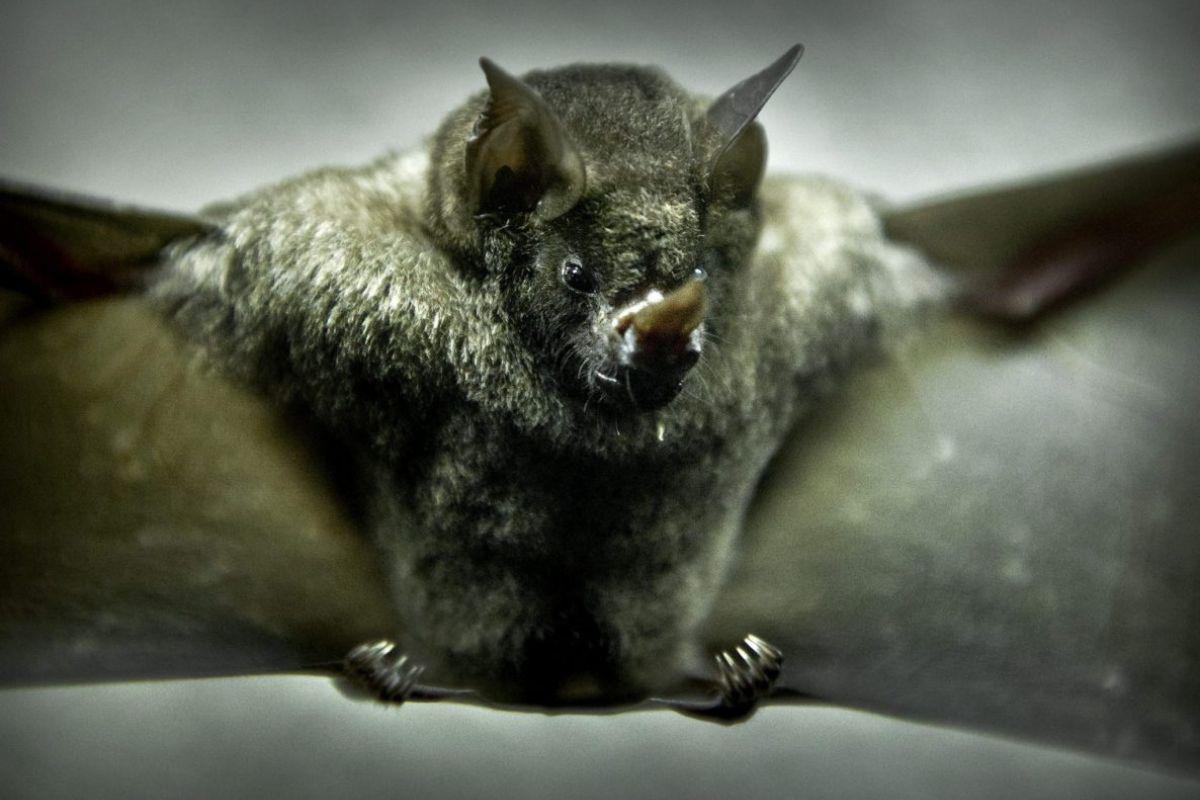
A Canadian child has died from rabies, marking the first such fatality in Ontario since 1967. The tragic event has prompted experts to issue warnings about the risks associated with bats and the transmission of the rabies virus. This incident highlights a rare but severe public health concern that had not been seen in the province for over five decades. Health officials are emphasizing the importance of avoiding contact with wild animals, particularly bats, which are known carriers of the rabies virus. The virus, when left untreated, is almost invariably fatal once symptoms appear. Public health authorities are likely to increase surveillance and public awareness campaigns regarding rabies prevention. The case serves as a stark reminder of the potential dangers posed by zoonotic diseases, which can spread from animals to humans. Further details regarding the specific circumstances of the child's contact with the bat and the timeline of symptom onset are expected to be released as investigations continue. The situation underscores the ongoing need for vigilance in monitoring and controlling infectious diseases within animal populations and their potential impact on human health.
This unfortunate case underscores the persistent risk of zoonotic diseases, even in regions with advanced public health infrastructure. The rarity of rabies in Ontario since 1967 suggests effective control measures have generally been in place, but this incident highlights that isolated exposures can still lead to severe outcomes. The expert warnings reflect a need to balance public awareness with avoiding undue panic, focusing on practical preventative measures like avoiding direct contact with wildlife. Looking ahead, advancements in rapid diagnostics and post-exposure prophylaxis remain critical, but the long-term challenge involves understanding and mitigating ecological factors that permit virus transmission between animal reservoirs and human populations, especially as environmental changes may alter wildlife behavior and distribution.
AI-generated to prompt reflection — not editorial opinion, not advice, not a statement of fact. How this works.