Canadian NATO Intern Arrested, Suspected of Spying for China
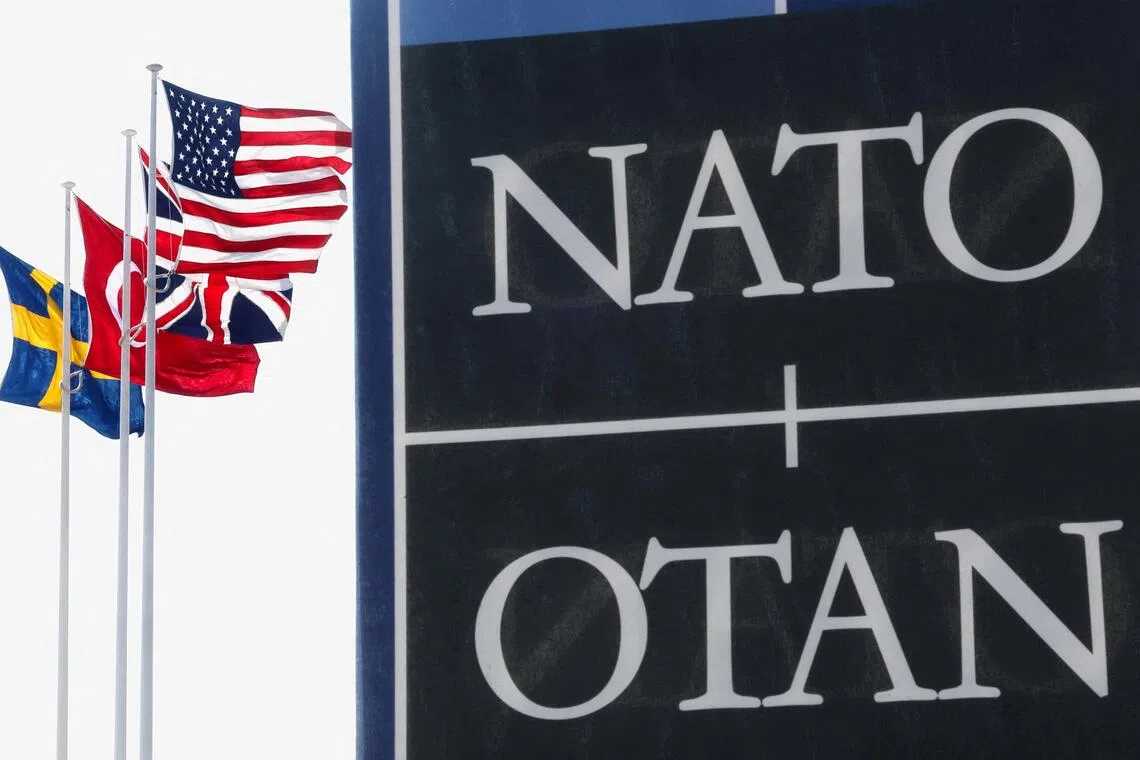
A Canadian national, identified only as Claire Z, has been arrested and is suspected of spying for China. The woman, who is in her 30s, was working as an intern at NATO headquarters in Brussels. Sources close to the investigation indicate that she is not a student, suggesting a more complex background or motive for her alleged actions. The specific details of her role within NATO and the nature of the information she is suspected of passing to Chinese intelligence have not yet been disclosed. This incident raises significant concerns about internal security within the North Atlantic Treaty Organization and the potential for foreign intelligence services to infiltrate sensitive governmental and military alliances. Belgian authorities are leading the investigation, with cooperation from Canadian intelligence agencies. The arrest highlights the ongoing challenges faced by international organizations in safeguarding classified information from espionage threats. Further details are expected to emerge as the investigation progresses.
The reported arrest of a NATO intern on suspicion of espionage for China underscores the persistent and evolving threat of foreign intelligence operations targeting critical Western alliances. This event prompts consideration of the security protocols and vetting processes employed by international organizations like NATO, particularly concerning personnel in positions that could grant access to sensitive information. The incident also highlights the strategic importance of intelligence gathering by nations like China, which may seek to gain insights into military capabilities, strategic planning, and technological advancements of its geopolitical rivals. Future security frameworks may need to incorporate more sophisticated, multi-layered vetting and continuous monitoring systems to mitigate such risks, balancing operational needs with robust national security imperatives.
AI-generated to prompt reflection — not editorial opinion, not advice, not a statement of fact. How this works.