Canadian Provinces Resist US Tariff Threats, Maintain Bans on American Alcohol Sales
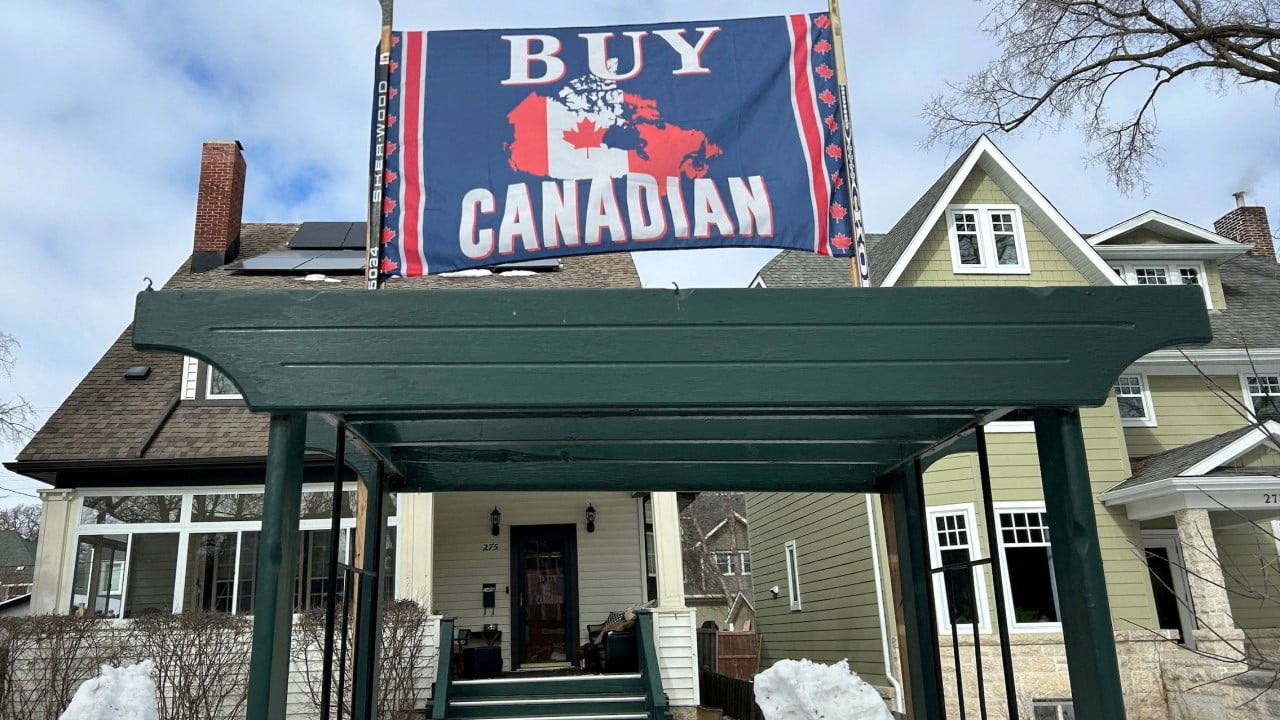
US President Donald Trump's administration has issued a new tariff threat aimed at compelling Canadian provinces to cease their boycotts of American alcohol. However, provincial leaders have indicated they will not yield to this pressure. Ontario Premier Doug Ford stated that his province's ban on the sale of American wine and spirits in government-run stores will remain in place until the United States lifts its own tariffs on Canadian cars and steel. Ford emphasized the need for negotiation from a position of strength, suggesting that all available measures should be considered in the dispute. This action by the provinces represents a direct challenge to the US administration's trade tactics.
The US administration's use of tariff threats to influence provincial-level trade policies in Canada highlights a tension between federal trade leverage and sub-national regulatory autonomy. Provincial governments, responsible for distinct regulatory frameworks governing alcohol sales, are asserting their right to maintain existing policies, potentially as a counter-leverage tactic against US sectoral tariffs. This dynamic underscores the complex interplay of international trade negotiations and domestic policy considerations, where sub-national actors can significantly impact broader bilateral relations. The situation prompts consideration of how differing governance structures and policy objectives at various levels can create friction, and whether such disputes are best resolved through reciprocal concessions or a more integrated approach to trade dispute resolution that accounts for these sub-national policy spaces.
AI-generated to prompt reflection — not editorial opinion, not advice, not a statement of fact. How this works.