Canadian Wildfire Smoke Blankets Eastern North America
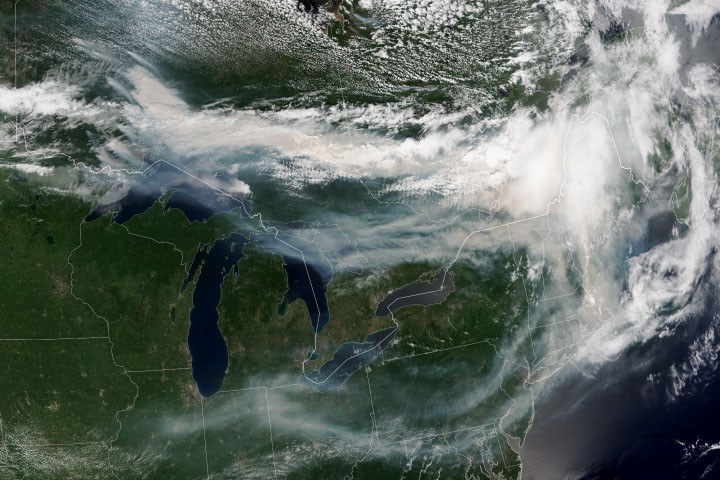
Wildfires in Canada have generated significant smoke plumes that are now drifting eastward. These smoke clouds have traveled over Canadian provinces, including Ontario and Quebec. Additionally, the smoke has impacted several regions in the United States, affecting the Midwest and Northeast. The extent of the smoke coverage highlights the widespread reach of the wildfire events. Residents in affected areas may experience reduced air quality due to the smoke. This phenomenon underscores the transboundary environmental impacts of large-scale wildfires. The movement of smoke across such vast distances is a recurring concern during wildfire seasons.
The eastward movement of smoke from Canadian wildfires demonstrates the interconnectedness of environmental systems across North America. This event highlights the transboundary implications of climate-driven phenomena, where localized events can have widespread regional consequences. The smoke's impact on air quality in densely populated areas of the U.S. Midwest and Northeast raises questions about public health preparedness and the need for robust air quality monitoring and alert systems. Future wildfire seasons, potentially exacerbated by climate change, will likely necessitate enhanced intergovernmental cooperation on resource allocation for firefighting and coordinated public health advisories. The long-term challenge involves balancing economic activities with environmental stewardship and adapting infrastructure and public policy to mitigate the effects of increasingly severe weather events.
AI-generated to prompt reflection — not editorial opinion, not advice, not a statement of fact. How this works.