Canadian Wildfire Smoke Blankets Major US Cities, Causing Poor Air Quality
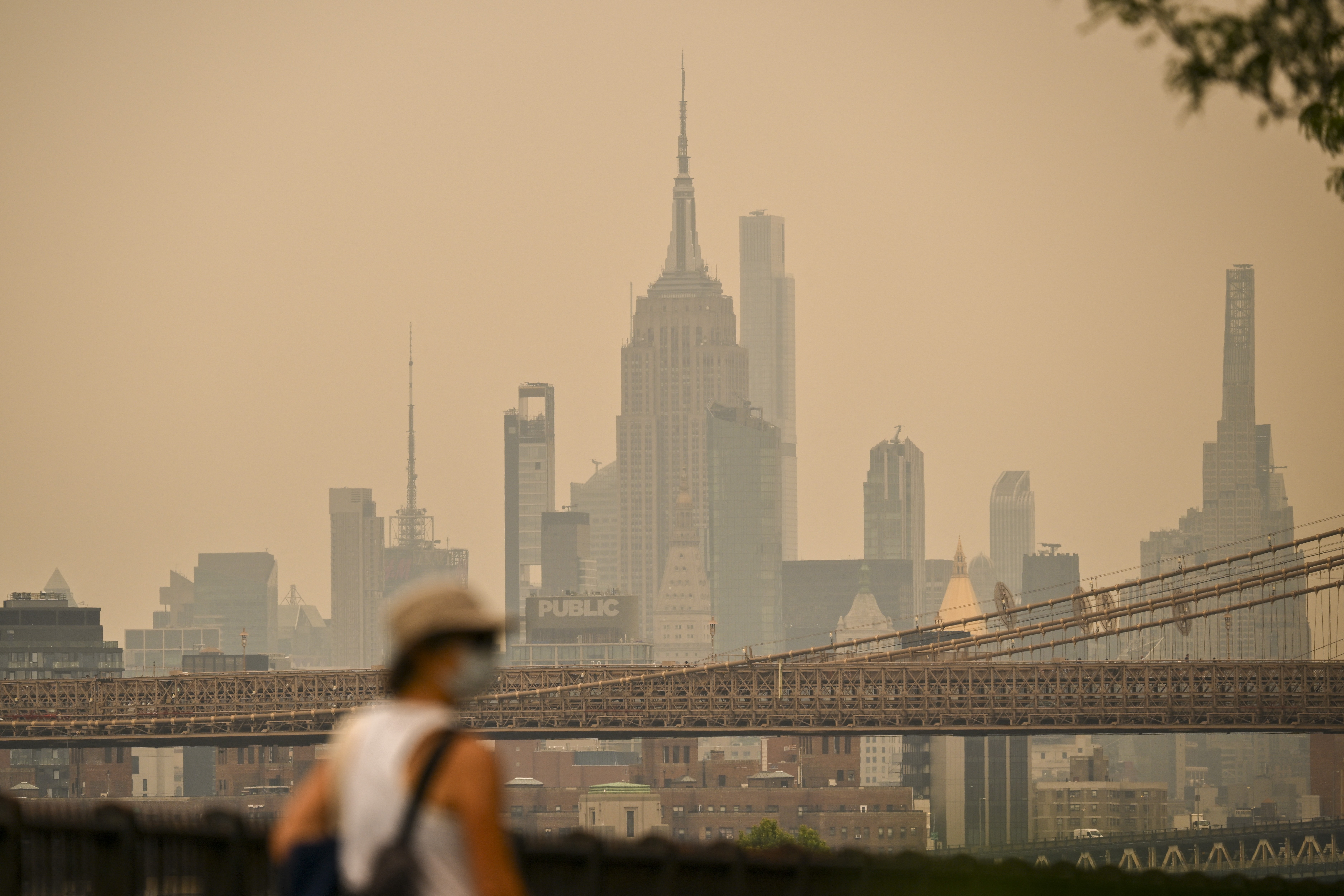
Wildfire smoke from Canada has significantly impacted air quality in major urban centers across the country and the United States, affecting millions of people. Cities like New York, Chicago, and Toronto have experienced hazy, orange skies and dangerously low air quality levels. Residents in affected areas, including states like Minnesota, Wisconsin, Michigan, and Illinois, are reporting irritated eyes and respiratory concerns, with one Chicago resident likening the experience to "smoking a cigarette all day." On Thursday, May 16th, monitoring data from IQAir identified Detroit, Toronto, Minneapolis, and Chicago as among the most polluted cities globally. Meteorologists in New York warned of "unhealthy for sensitive groups" air quality due to fine particles from the fires, urging residents to limit outdoor activity. These conditions were expected to persist at least through Friday, according to Michigan authorities. The situation in Canada involves over 130 active wildfires in the northwestern part of the province of Ontario, with at least 60 fires raging out of control. Ontario has requested federal assistance, including aerial support for remote community evacuations. To date, Canadian wildfires have consumed 1.9 million hectares this year, a figure that, while substantial, is less than the record-breaking year of 2023 and also 2025 according to official statistics.
The widespread impact of Canadian wildfire smoke on air quality in North American urban centers highlights the transboundary nature of environmental challenges. This event underscores the increasing frequency and intensity of extreme weather events, potentially exacerbated by climate change, which pose significant public health risks. The reliance on external aid for firefighting and evacuation in affected Canadian provinces points to potential resource limitations in managing large-scale natural disasters. Future preparedness strategies may need to consider enhanced intergovernmental cooperation and investment in advanced fire detection and suppression technologies to mitigate the health and economic consequences of such events.
AI-generated to prompt reflection — not editorial opinion, not advice, not a statement of fact. How this works.