Canadian wildfire smoke causes hazardous air quality across U.S. Midwest and Northeast
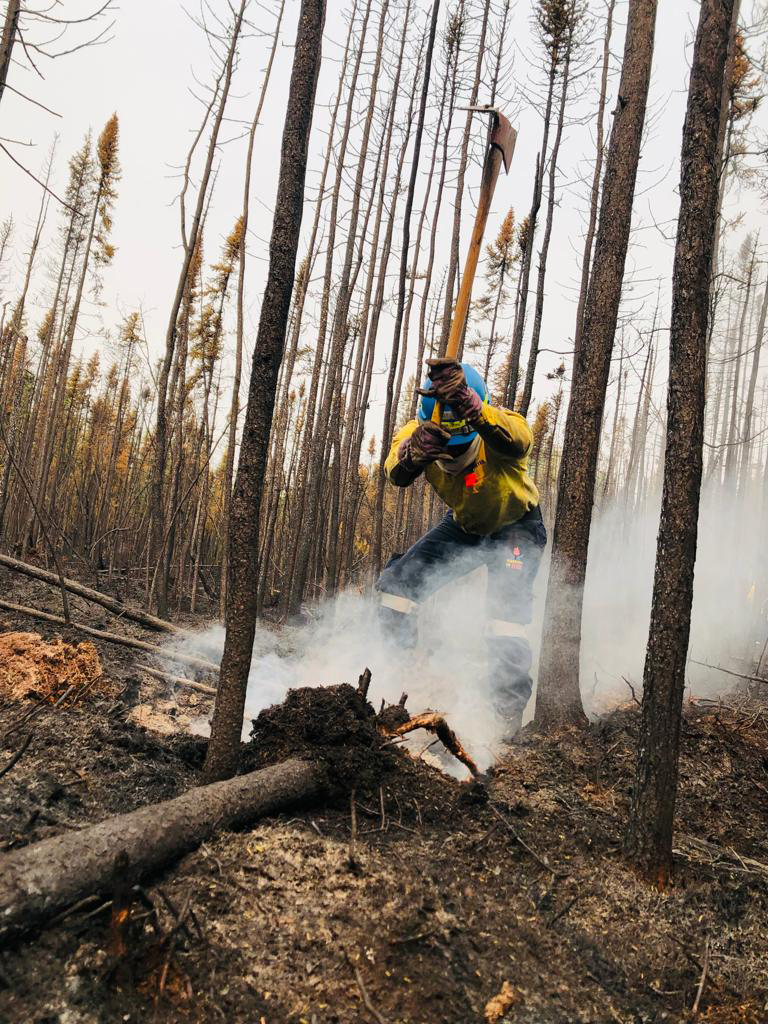
Hundreds of wildfires burning in Canada have sent heavy smoke plumes across a vast area of the United States, affecting regions from the Midwest to the Northeast. On Thursday, July 16, officials issued warnings urging residents in the affected areas to remain indoors as much as possible due to the acrid and unhealthy air quality. The smoke has created a significant air pollution event, impacting public health and daily life across multiple states. This situation highlights the transboundary nature of environmental challenges and the far-reaching consequences of widespread wildfires.
The widespread dispersion of smoke from Canadian wildfires underscores the interconnectedness of environmental systems and the significant impact of climate-related events across international borders. Public health advisories issued in response to hazardous air quality demonstrate the immediate challenges posed by such events, necessitating proactive measures to protect populations. This situation highlights the need for robust international cooperation on wildfire management and climate change mitigation strategies to address the root causes and manage the downstream consequences of extreme weather phenomena. Future preparedness will likely involve enhanced early warning systems and cross-border collaboration to safeguard public health and environmental integrity.
AI-generated to prompt reflection — not editorial opinion, not advice, not a statement of fact. How this works.