Canadian Wildfire Smoke Creates Hazardous Air Quality Across Major U.S. Cities
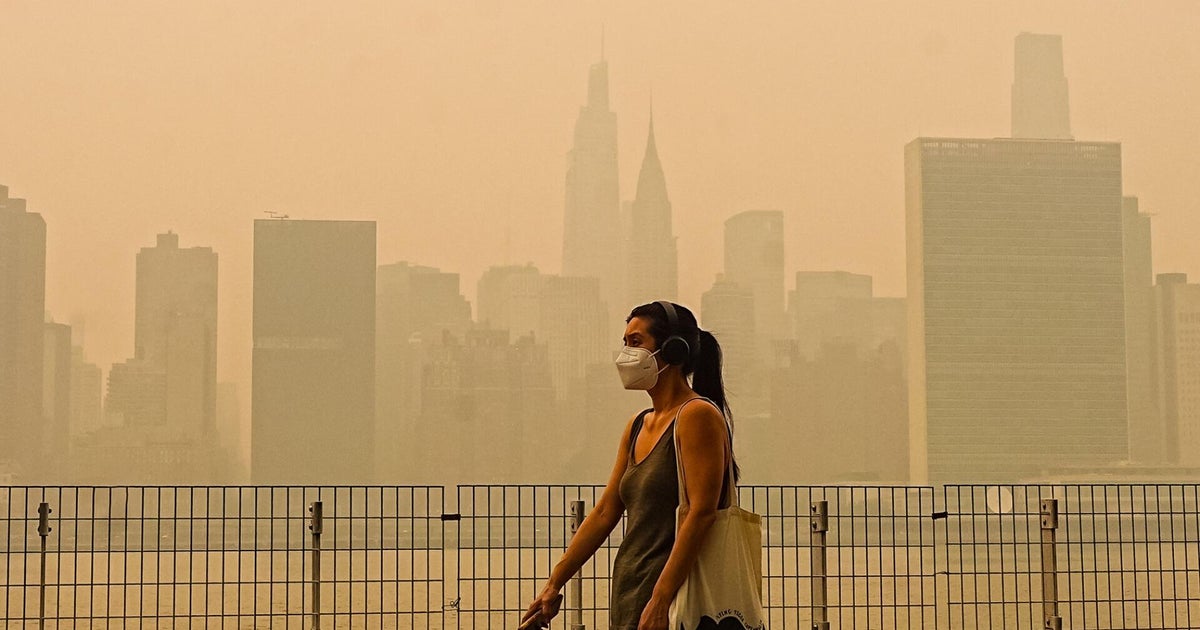
Millions of Americans experienced dangerous air quality for the third consecutive day on Friday due to persistent smoke from Canadian wildfires. The smoke has blanketed major U.S. cities, significantly impacting visibility and public health. Residents in affected areas have been advised to take precautions to minimize exposure to the hazardous conditions. The ongoing situation highlights the far-reaching environmental consequences of large-scale wildfires. Air quality alerts have been issued across numerous states, urging vulnerable populations, including children and the elderly, to remain indoors. The duration of the smoke's presence over U.S. cities remains a significant concern for public health officials. This event underscores the interconnectedness of environmental issues across international borders. The long-term health effects of prolonged exposure to such poor air quality are also a growing worry.
The widespread impact of Canadian wildfire smoke on U.S. air quality demonstrates the transboundary nature of environmental challenges, particularly in an era of intensified climate events. This situation necessitates a re-evaluation of intergovernmental cooperation on wildfire management and air quality monitoring. The economic implications, including potential disruptions to daily life and public health costs, warrant consideration of proactive, long-term strategies. Future policy discussions should explore how to mitigate the effects of climate change on wildfire frequency and intensity, as well as enhance regional preparedness and response mechanisms.
AI-generated to prompt reflection — not editorial opinion, not advice, not a statement of fact. How this works.