Canadian Wildfire Smoke Creates Unhealthy Air Quality in US Cities
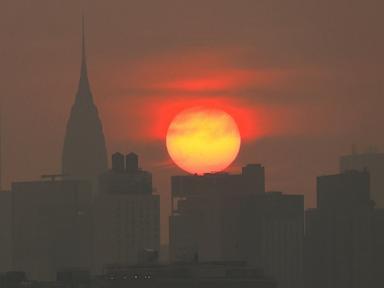
Philadelphia declared a "Code Purple Air Quality Emergency Day" on Friday due to the influx of smoke from hundreds of Canadian wildfires. The smoke has traveled south, significantly impacting air quality in the Midwest and Northeast regions of the United States. Residents are being warned of unhealthy conditions, prompting official alerts in major metropolitan areas. The ongoing wildfires in Canada are the primary source of the widespread atmospheric pollution. This event highlights the transboundary nature of environmental issues and the far-reaching consequences of large-scale natural disasters. The duration and intensity of the unhealthy air are dependent on weather patterns and the continued activity of the wildfires.
The widespread dissemination of wildfire smoke across national borders underscores the interconnectedness of environmental systems and the limitations of localized governance in addressing transboundary pollution. As climate change potentially exacerbates wildfire frequency and intensity, cities and regions must develop more robust, forward-looking strategies for air quality management and public health protection. This includes investing in real-time monitoring, public alert systems, and potentially cross-border cooperation frameworks to mitigate the impacts of events originating beyond immediate jurisdictional control. The situation presents a challenge for urban planning and public health infrastructure, requiring adaptive measures to safeguard populations against atmospheric hazards that are increasingly influenced by global environmental shifts.
AI-generated to prompt reflection — not editorial opinion, not advice, not a statement of fact. How this works.