Canadian Wildfires Blanket US Cities in Smoke, Raising World Cup Final Air Quality Concerns
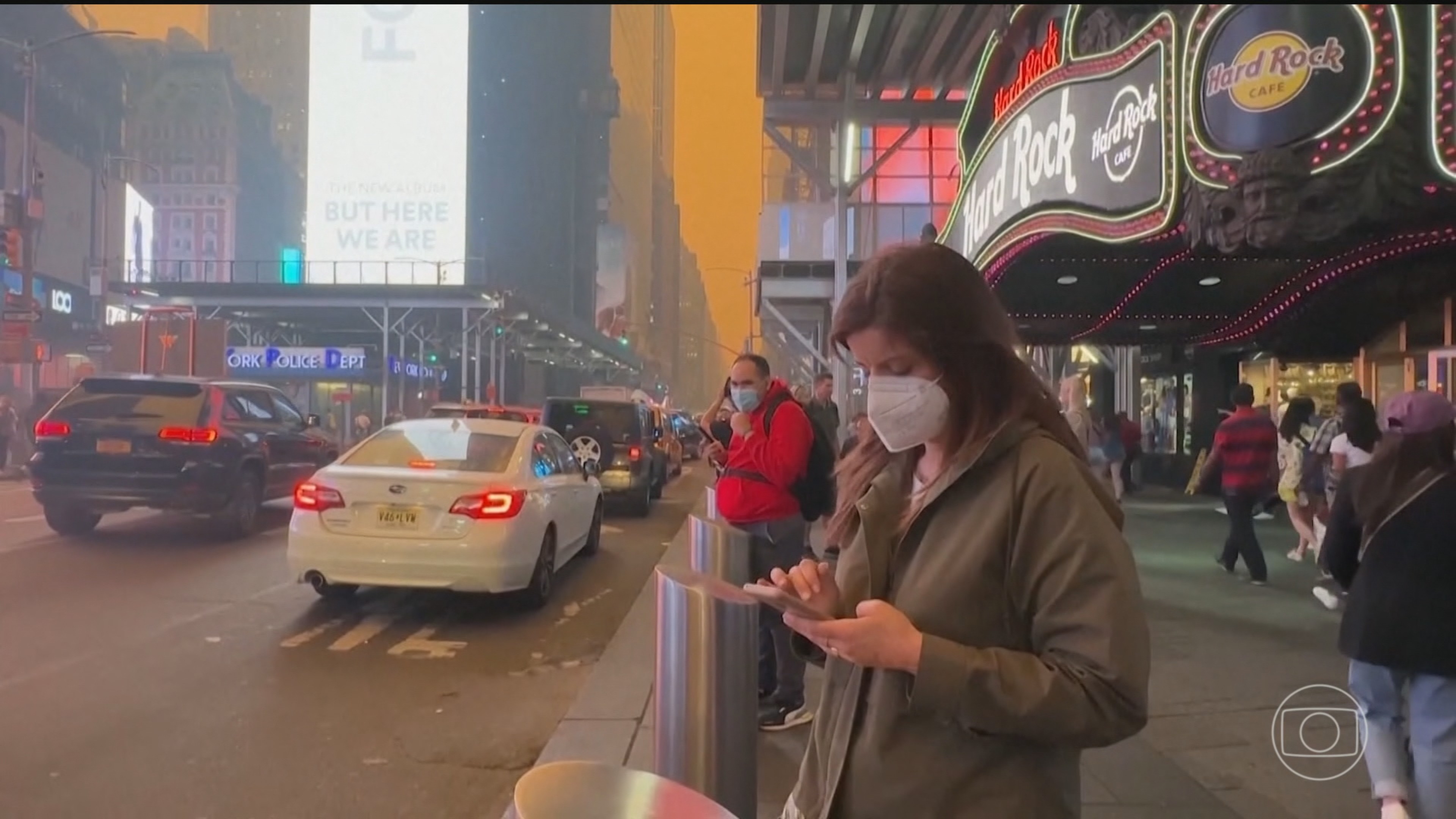
Over 800 wildfires currently raging in Canada, particularly in Ontario, have generated significant smoke plumes that have drifted into the northeastern United States. This has led to severely degraded air quality across numerous American cities, including New York, Chicago, Philadelphia, and Washington D.C., with 100 million Americans in 19 states under air quality alerts. In New York, the smoke has been so dense that visibility has been drastically reduced for three days, obscuring famous landmarks. The city's mayor's office has distributed masks to residents due to the hazardous air. The situation has raised concerns for the upcoming World Cup final, scheduled to be held in New Jersey, a neighboring state. Athletes require significantly more air during physical exertion, and inhaling air laden with soot from the wildfires poses health risks. One expert noted that on Thursday, June 16th, New Yorkers outdoors inhaled fine particulate matter equivalent to smoking ten cigarettes, reaching 'very unhealthy' air quality levels. While air quality saw slight improvement on Friday, June 17th, it is predicted to worsen again by Saturday, June 18th, potentially reaching 'unhealthy' levels. Meteorologists are uncertain about the air quality for the World Cup final on Sunday, June 19th, as it depends on the intensity of the fires, wind patterns, and potential weekend storms.
The widespread smoke from Canadian wildfires impacting air quality in the U.S. highlights the transboundary environmental consequences of climate change and land management practices. While former President Trump's reaction focused on economic tariffs, a more systemic analysis considers the shared responsibility for climate mitigation and adaptation. The event underscores the vulnerability of major sporting events and urban populations to environmental disruptions, necessitating proactive public health measures and international cooperation. Looking ahead, the increasing frequency and intensity of such events, exacerbated by global warming, will likely challenge infrastructure, public health systems, and international relations, demanding integrated strategies that address both the root causes of climate change and immediate disaster response.
AI-generated to prompt reflection — not editorial opinion, not advice, not a statement of fact. How this works.