Canadian Wildfires Cause Hazardous Air Quality Across US Midwest
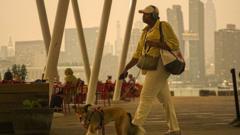
Over 800 wildfires are currently burning across Canada, leading to significant air quality degradation in parts of the United States. Authorities have issued hazardous air quality alerts for large areas of Michigan, Minneapolis, and Minnesota. The smoke plume from these extensive fires has traveled south, impacting visibility and respiratory health for millions of Americans. This situation highlights the transboundary nature of environmental crises and the far-reaching consequences of large-scale wildfires. Residents in affected areas are advised to stay indoors and limit outdoor activities to minimize exposure to harmful particulate matter. The number of active fires underscores the severity of the current wildfire season in Canada. The extended air quality alerts indicate a prolonged period of poor air conditions for the affected US regions. This event serves as a stark reminder of the increasing frequency and intensity of wildfires, potentially linked to climate change.
The widespread air quality alerts across the US Midwest, triggered by Canadian wildfires, illustrate the interconnectedness of environmental systems and the significant transboundary impacts of climate-related events. This situation underscores the need for enhanced international cooperation in wildfire management and air quality monitoring. Future policy discussions should consider the long-term implications of climate change on the frequency and intensity of such events, potentially necessitating proactive adaptation strategies and investments in cross-border environmental protection measures. The economic and public health costs associated with these events warrant a systemic approach to risk mitigation.
AI-generated to prompt reflection — not editorial opinion, not advice, not a statement of fact. How this works.