Cancer Drug Ring Leader Arrested; Stolen Medications Found in Luxury Car
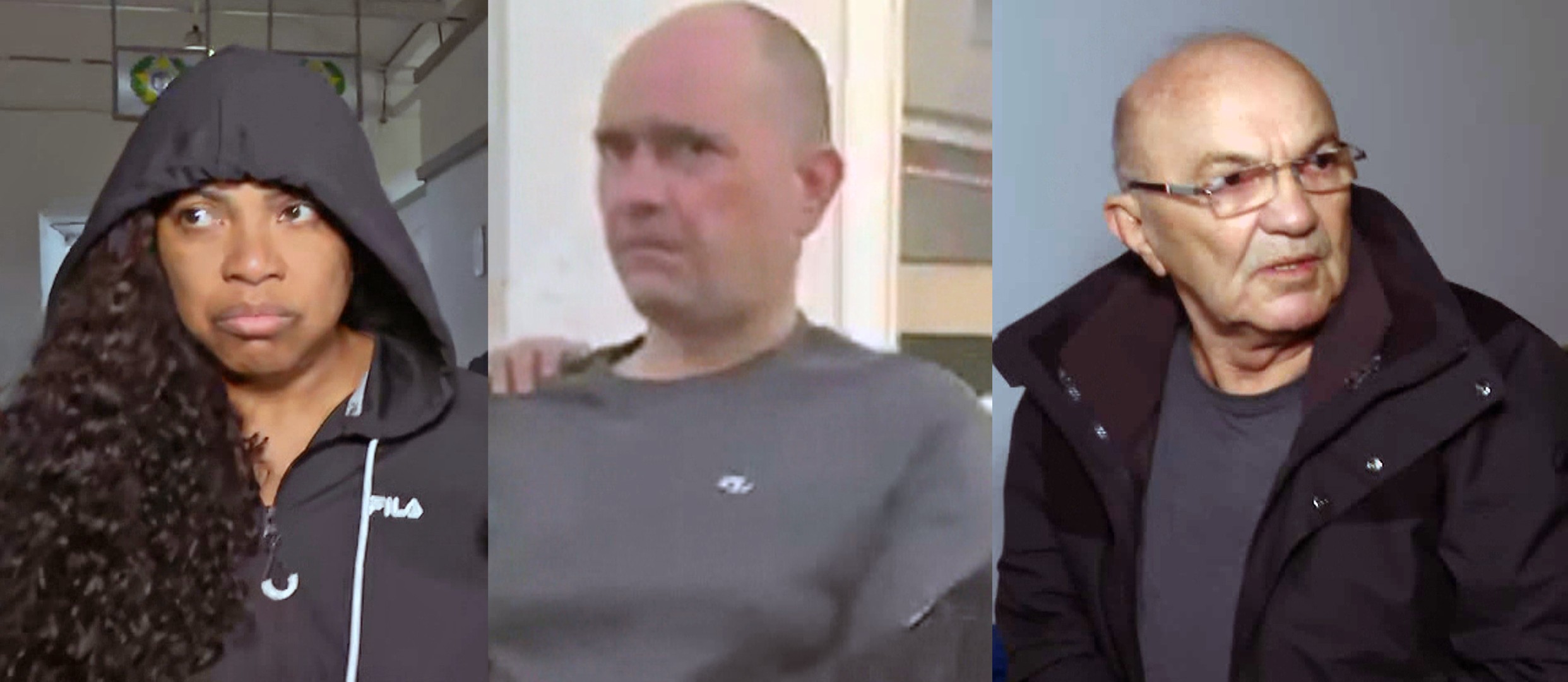
Brazilian police have arrested Stefano Montovani Fernandes, identified as the leader of an interstate ring specializing in the theft of cancer and immunosuppressant medications. The operation, dubbed 'Metastasis,' led to the seizure of a luxury Jaguar car containing stolen cancer drugs. These medications were stolen on July 8th in Santo Antônio de Posse, São Paulo state, and the car was later found at Fernandes's residence in Santo André. Investigations revealed the drugs belonged to the stolen lot by tracking the pharmaceuticals. The criminal organization, allegedly supported by the Terceiro Comando Puro (TCP) faction, is accused of moving approximately R$ 33 million (US$6.3 million) in one year and utilizing shell companies to reintroduce stolen products into the market. Police reported that the gang used extreme violence, including firearms, to carry out the thefts, often targeting medications destined for the public health system. The stolen cargo was transported to the Complexo da Maré in Rio de Janeiro, where a network of receivers would pay the thieves, store, divide, and distribute the drugs nationwide through front pharmaceutical companies. The operation involved executing 5 preventive arrest warrants and 97 search and seizure warrants across four states: Rio de Janeiro, São Paulo, Goiás, and Pará, with efforts to block R$ 30 million in bank accounts and seize assets. The disruption caused by police actions in the Complexo da Maré led to the temporary suspension of some health services in the area. Authorities emphasized the severe threat to public health, as compromised medications can lose efficacy or become harmful, potentially impacting patients undergoing critical treatments.
This investigation exposes a sophisticated criminal enterprise exploiting critical healthcare supply chains for illicit profit. The operation's scale, involving interstate coordination, factional support, and the use of shell companies, highlights systemic vulnerabilities in pharmaceutical logistics and regulatory oversight. The theft of life-saving medications directly endangers vulnerable patient populations, creating a dual public health crisis: the immediate impact of treatment disruption and the potential for compromised drug efficacy. Addressing such organized crime requires not only law enforcement but also enhanced supply chain security measures, robust anti-money laundering protocols for pharmaceutical distribution, and international cooperation to dismantle these complex financial networks. Future strategies must consider the increasing digitalization of supply chains and the potential for AI-driven monitoring to detect anomalies, while also ensuring equitable access to essential medicines.
AI-generated to prompt reflection — not editorial opinion, not advice, not a statement of fact. How this works.