Cancer Drug Theft Ring Used Shell Companies to Win Government Bids
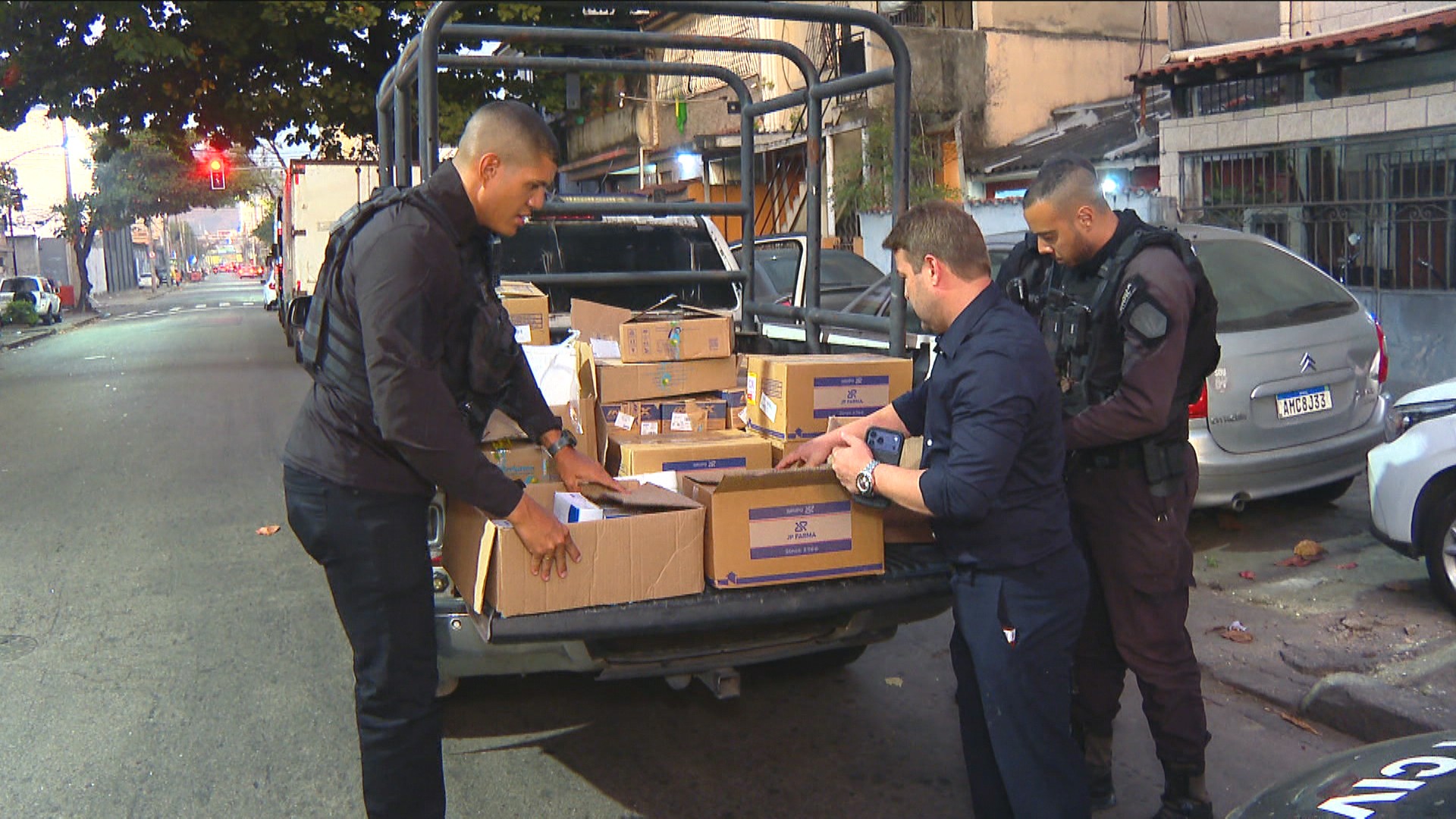
Authorities in Rio de Janeiro have dismantled a criminal organization that specialized in stealing cancer and immunosuppressant medications. The group, which allegedly operated with support from the Terceiro Comando Puro (TCP) criminal faction, employed a sophisticated scheme involving the acquisition of dormant companies to fraudulently win public tenders. According to the Civil Police, this network of at least 25 firms was used to reintroduce the stolen pharmaceuticals into the formal market. The operation, named "Metástase," involved raids across Rio de Janeiro, São Paulo, Goiás, and Pará, resulting in five arrests as of the latest update. The police identified key figures, including Stefano Montovani Fernandes, allegedly the scheme's mastermind who ordered cargo thefts, and Carlos Roberto Fernandes, arrested with unregistered firearms. Fernanda Rodrigues França and her partner, Guilherme Silva Lopes de Sena, were also apprehended, with Sena facing charges for illegally storing controlled medications. Umberto Xavier de Lima was identified as a receiver of stolen goods. All arrested individuals deny the accusations.
The investigation revealed that the criminals obtained insider information regarding cargo routes, often targeting trucks near communities controlled by the TCP. This allowed them to intercept shipments efficiently and transport the stolen drugs to the Complexo da Maré for redistribution. The organization is believed to have been involved in at least 50 cargo thefts since 2023, with financial transactions totaling over R$ 33 million within that year. The police strategy involved using both newly created companies and older, defunct businesses, placing straw owners in charge to create a facade of legitimacy and historical presence, thereby enhancing their credibility in public bidding processes.
This case highlights a systemic vulnerability in public procurement processes, where the acquisition of illicit goods is facilitated by the exploitation of corporate structures and historical business data. The criminal organization's strategy of purchasing dormant companies and installing figureheads demonstrates a sophisticated understanding of regulatory loopholes and the challenges of due diligence in competitive bidding environments. The involvement of a known criminal faction suggests a level of organization and resourcefulness that can undermine legitimate market competition and public trust. Moving forward, enhanced transparency requirements, more rigorous vetting of bidding entities, and potentially the use of blockchain or similar technologies for tracking pharmaceutical supply chains could mitigate such risks. The long-term societal impact involves not only the financial losses and potential diversion of critical medicines but also the erosion of confidence in governmental oversight and the integrity of public health services.
AI-generated to prompt reflection — not editorial opinion, not advice, not a statement of fact. How this works.