Cancer Patient Embraces Life After Palliative Diagnosis, Fulfills Dream Wedding
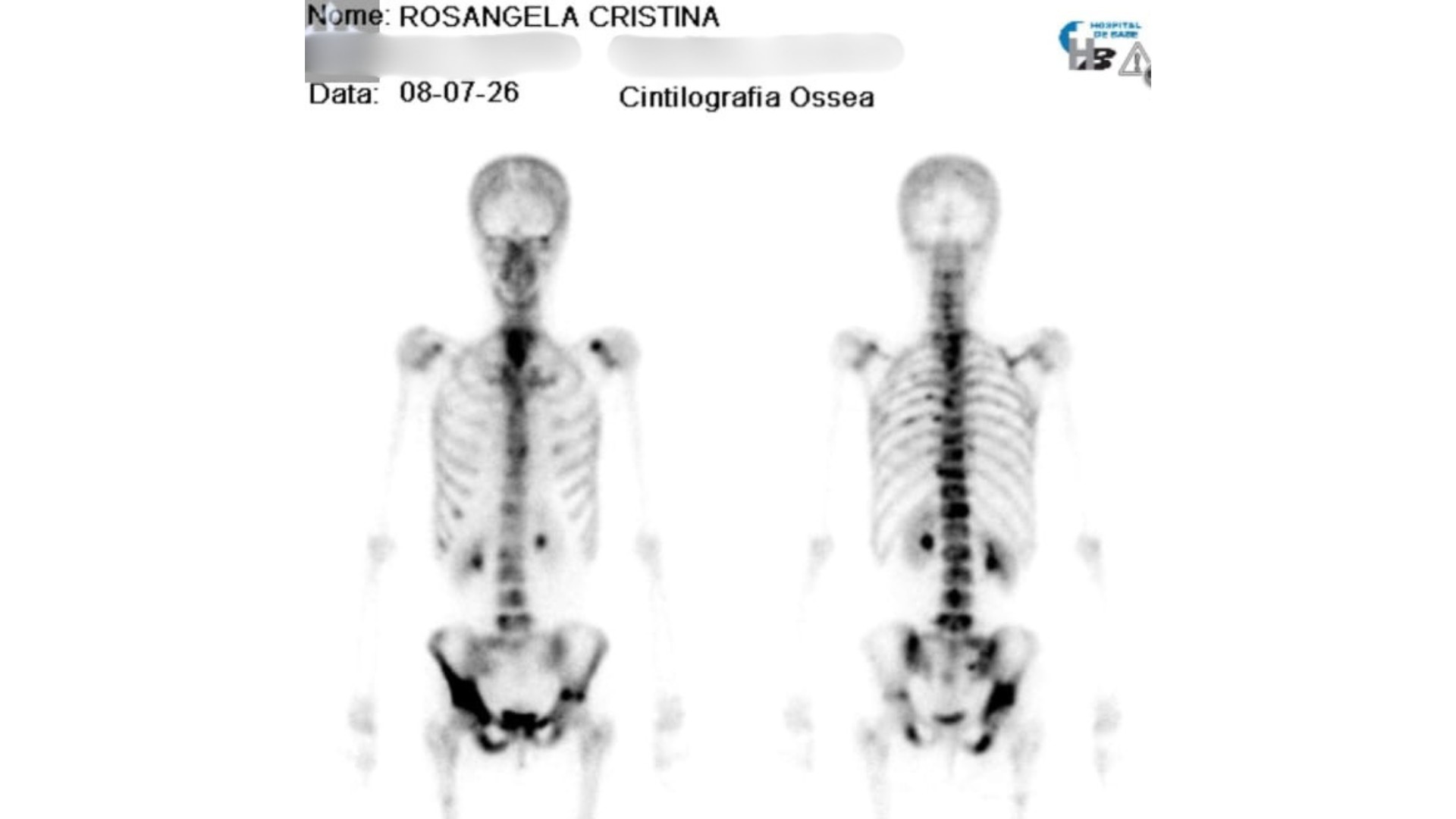
Rosangela Cristina Ramiro Zabarella, a 48-year-old professor from Guapiaçu, São Paulo, has shifted her perspective on life after receiving a devastating cancer diagnosis. Initially diagnosed with breast cancer in February 2023, subsequent tests revealed that the cancer had metastasized to nearly 100% of her bone structure, including her spine, pelvis, shoulders, ribs, and femur. Although the disease stabilized until 2025, a July 8th examination confirmed its widespread progression, leading her into palliative care. This transition, focused on quality of life and alleviating suffering rather than a cure, initially caused distress but ultimately inspired Rosangela to live fully in the present. Supported by her husband, Ronaldo Pereira, and family, she decided to pursue her dreams immediately. A significant fulfillment was her shamanic wedding ceremony at the Cachoeira do Talhadão in Palestina, São Paulo, which she described as having spectacular energy and perfectly aligning with her new outlook on life. She currently manages her condition with oral medications, hormonal block injections every 28 days, and intravenous treatment every three months. While she cannot afford an R$800 consultation and R$600 monthly treatment for an orthomolecular therapy, Rosangela remains determined to live each day to the fullest. Her next aspiration is to visit Iguaçu Falls, prioritizing the collection of meaningful experiences over travel alone.
This narrative highlights a profound personal transformation in the face of a terminal illness, emphasizing the human capacity to seek meaning and joy even when facing severe health challenges. The shift from a routine-driven existence to a life focused on fulfilling dreams underscores the psychological impact of mortality awareness. From a systemic perspective, Rosangela's situation also points to potential disparities in healthcare access, as she expresses an inability to afford complementary treatments that might enhance her quality of life. This raises questions about the accessibility and affordability of advanced or alternative therapies within the broader palliative care framework, particularly for individuals without substantial financial resources. The story serves as a powerful reminder of individual resilience while implicitly prompting reflection on societal support structures for patients navigating advanced, incurable diseases.
AI-generated to prompt reflection — not editorial opinion, not advice, not a statement of fact. How this works.