Cancer's rapid growth may damage its own DNA, creating vulnerabilities
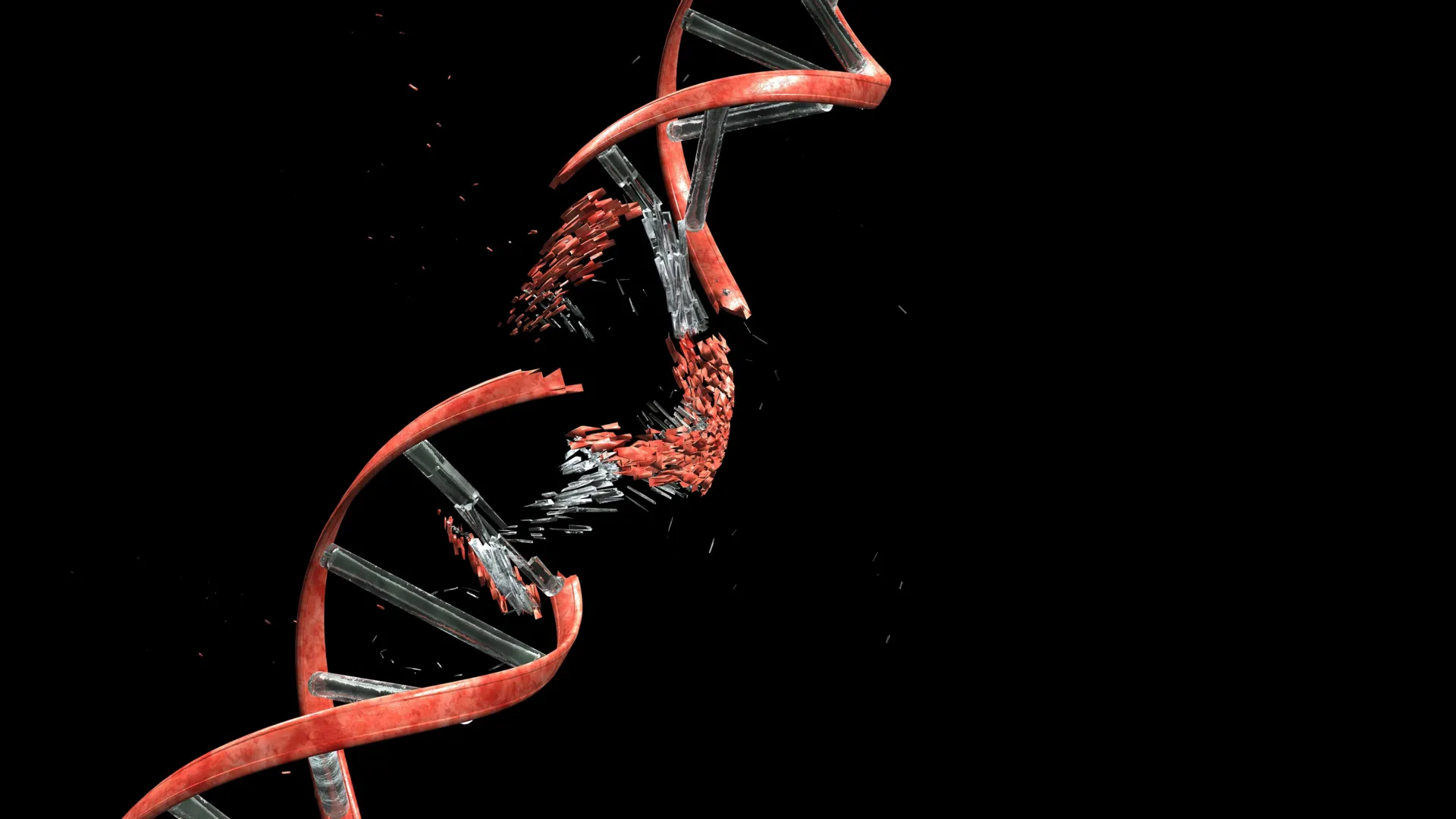
Cancer cells utilize potent genetic switches to maintain high-speed growth, a process that can inadvertently damage their own DNA. This self-inflicted damage is then repeatedly repaired by the cell. However, these repair processes are not always perfect, sometimes introducing small errors that allow new mutations to accumulate over time. Researchers hypothesize that this ongoing cycle of damage and imperfect repair might be a key mechanism by which tumors evolve. Furthermore, this process could present a novel vulnerability that scientists can exploit to develop new therapeutic strategies against cancer.
The inherent instability of cancer cells, driven by their accelerated genetic activity, presents a complex duality. While this rapid proliferation fuels tumor growth, the resulting DNA damage and subsequent imperfect repair mechanisms create a potential Achilles' heel. Future therapeutic strategies may focus on exploiting these repair deficiencies to halt tumor progression, rather than solely targeting the growth genes themselves. This approach aligns with a systems-level understanding of cancer, acknowledging that disrupting fundamental cellular processes, like DNA repair, could be more effective than addressing individual oncogenes.
AI-generated to prompt reflection — not editorial opinion, not advice, not a statement of fact. How this works.