Cancer Survival Hinges on Socioeconomic Status, Not Just Biology, WHO Warns
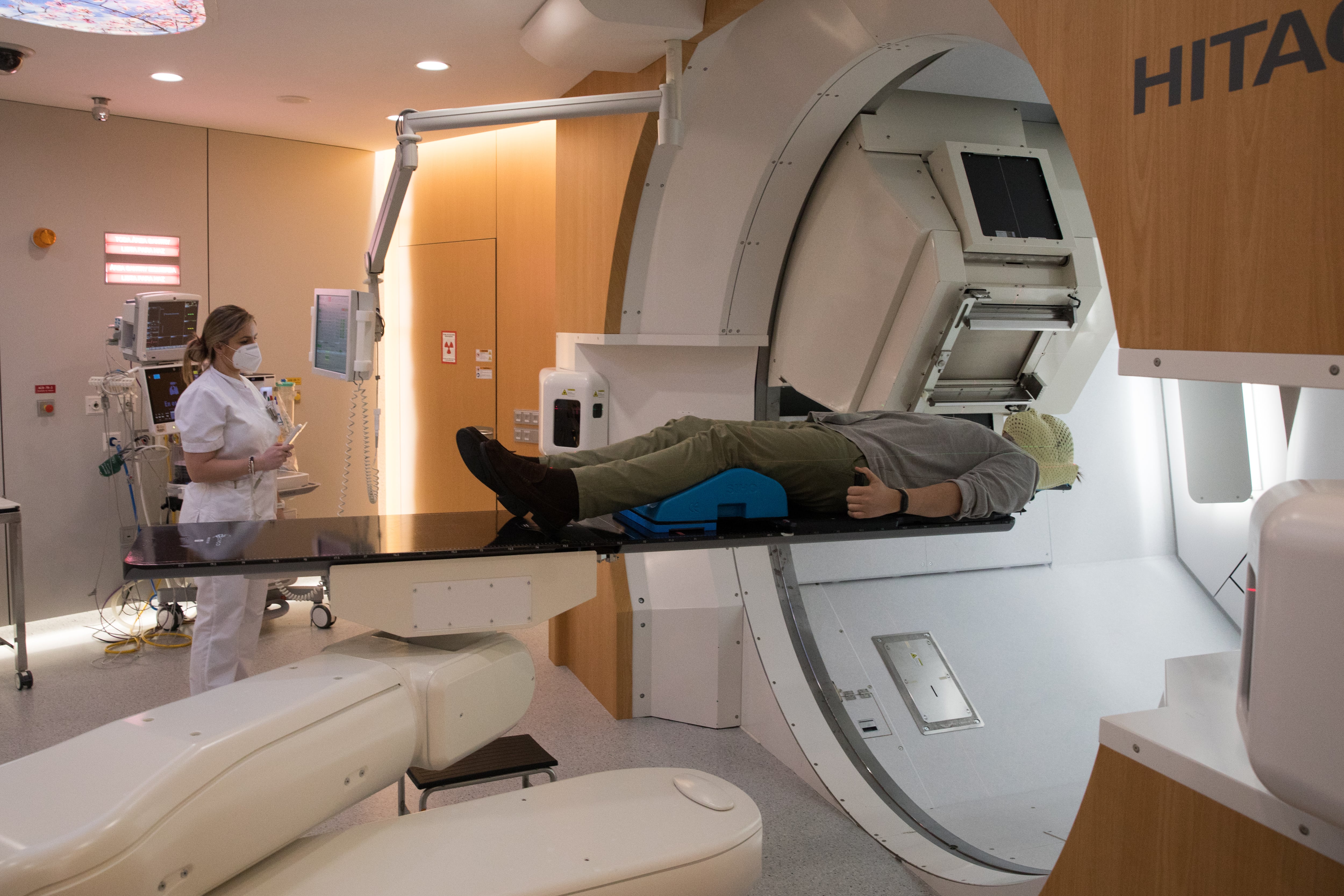
The World Health Organization (WHO) has issued a stark warning regarding cancer treatment disparities, highlighting that survival rates are significantly influenced by socioeconomic factors rather than solely by the stage or biological characteristics of the disease. Over 70% of countries worldwide lack basic cancer treatment coverage, exacerbating these inequalities. The WHO emphasizes that an individual's chances of survival are increasingly determined by their postal code and income level. This disparity is dramatically illustrated by breast cancer survival rates: in affluent regions, approximately 85% of patients with breast tumors survive. In contrast, survival rates plummet to around 45% in impoverished areas. This data underscores a critical global health challenge where access to care and resources dictates life-or-death outcomes.
The WHO's report reveals a critical global health governance failure, where the postcode and income level have become more significant determinants of cancer survival than medical factors. This suggests that systemic issues in healthcare access, resource allocation, and public health infrastructure are profoundly impacting patient outcomes. The vast survival gap between rich and poor regions, particularly for breast cancer, points to underlying economic and social determinants of health that require urgent, structural interventions. Moving forward, addressing these disparities will necessitate a global commitment to equitable healthcare access, robust public health funding, and innovative strategies to overcome socioeconomic barriers to treatment, ensuring that medical advancements benefit all populations, not just the privileged.
AI-generated to prompt reflection — not editorial opinion, not advice, not a statement of fact. How this works.