Cancer Treatment Advances: Personalized Vaccines, Exercise, and AI Usher in New Era
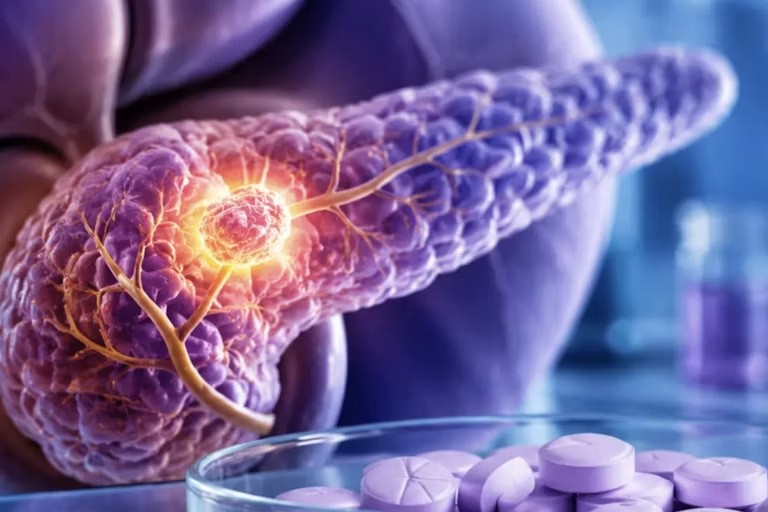
The 61st annual meeting of the American Society of Clinical Oncology (ASCO) in Chicago highlighted a shift in cancer treatment from single breakthroughs to simultaneous progress across multiple fronts. A significant moment was the presentation of the daraxonrasibe drug for pancreatic cancer, which nearly doubled patient survival compared to chemotherapy. This novel treatment targets the RAS gene, a common mutation found in nearly a third of all tumors, offering a transformative approach to a disease long considered intractable.
Beyond targeted therapies, personalized mRNA vaccines, similar to those used for COVID-19, are showing promise. These vaccines are tailored to individual patients' tumor mutations, training their immune systems to specifically attack cancer cells. Early studies in high-risk melanoma patients demonstrated a significant reduction in recurrence and mortality risk when combined with immunotherapy. This sophisticated, individualized approach is also being explored for pancreatic, lung, and bladder cancers.
In parallel, simpler, low-cost interventions are yielding remarkable results. Structured exercise programs post-surgery for colon cancer patients have shown a comparable survival benefit to some approved medications, reducing recurrence risk and increasing overall survival. Furthermore, drug repositioning, using existing medications like low-dose aspirin or a breast cancer drug (abemaciclibe) for other cancers, is proving effective and cost-efficient, particularly for rare diseases and in resource-limited settings. Artificial intelligence is emerging as a crucial tool, connecting these diverse advancements by helping researchers identify specific mutations, predict patient responses, and find hidden cellular defects within vast datasets, accelerating the pace of discovery.
The convergence of personalized medicine, accessible lifestyle interventions, and artificial intelligence in cancer treatment signifies a paradigm shift. While high-tech solutions like mRNA vaccines represent the cutting edge, the validation of exercise and repurposed drugs underscores the importance of cost-effectiveness and broad accessibility in public health. AI's role as an accelerant and integrator is critical, enabling the analysis of complex biological data to identify optimal treatment pathways. This multifaceted approach, moving beyond singular 'miracle cures,' suggests a future where cancer management is increasingly tailored, proactive, and potentially more equitable, though ensuring equitable access to these advanced therapies remains a significant challenge for global healthcare systems.
AI-generated to prompt reflection — not editorial opinion, not advice, not a statement of fact. How this works.