Cancer Treatment Delayed at Unicamp Hospital Due to Radiotherapy Machine Malfunction
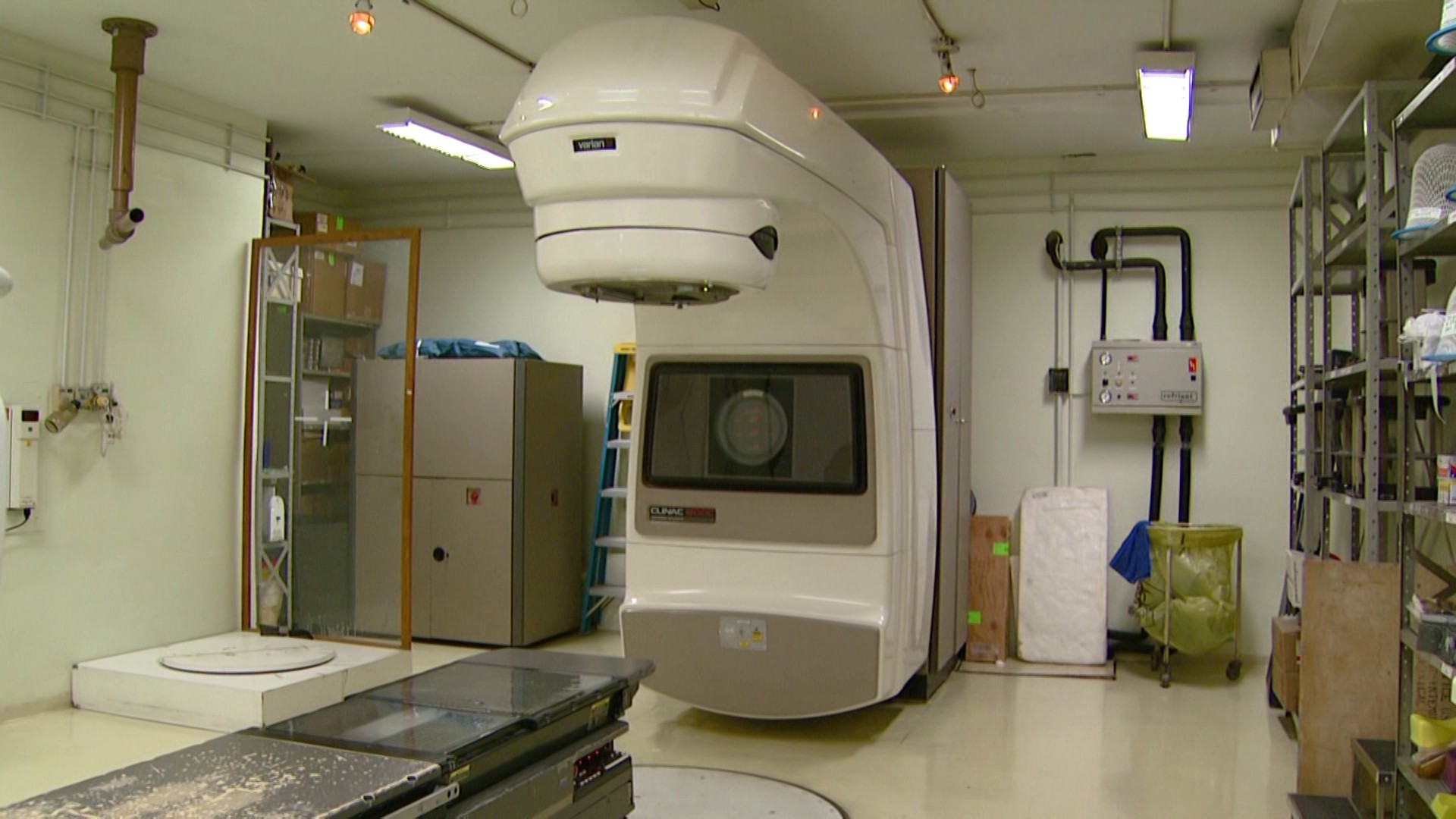
Patients undergoing cancer treatment at the Unicamp University Hospital (HC) in Campinas, São Paulo, are experiencing significant delays in their radiotherapy sessions due to a broken machine. The equipment has been out of service for approximately 12 days, according to sources. The hospital reportedly has two radiotherapy machines, but only one is currently operational, with the other being out of order for two weeks.
One affected patient, an unidentified man over 70 years old undergoing treatment for throat cancer, expressed deep distress over the suspension of his therapy. Having completed 24 of his 33 prescribed sessions, he is anxious about the mounting delays. His daughter reported contacting the hospital's ombudsman but received no resolution, only being told to await a replacement part from the United States.
The HC confirmed that the newer radiotherapy unit is broken and requires a part that must be imported from the U.S., with an estimated arrival on Monday, the 27th. While some patients have been redirected to the functioning machine, those requiring the specific technology of the damaged unit will have their treatment duration adjusted to compensate for the downtime. Oncologist Karina Ishikawa warned that interruptions exceeding two to three weeks can compromise the therapy's biological effectiveness, potentially increasing the risk of local recurrence, disease progression, and reduced cure rates.
The malfunction of advanced medical equipment at a major university hospital highlights critical vulnerabilities in healthcare infrastructure, particularly concerning specialized imported components. The reliance on single, high-tech machines for essential treatments like radiotherapy creates significant patient risk when breakdowns occur, underscoring the need for robust maintenance protocols and diversified equipment sourcing. While the hospital is attempting to mitigate the impact by reallocating patients and promising future compensation, the inherent delays raise questions about the resilience of such systems in the face of supply chain disruptions. Future planning should consider redundancy, proactive parts management, and contingency strategies to ensure continuity of care for critical treatments, especially as medical technology becomes increasingly sophisticated and globally dependent.
AI-generated to prompt reflection — not editorial opinion, not advice, not a statement of fact. How this works.