Candle Ritual Concludes Shokonsai at Brazil's Sole Historic Japanese Cemetery
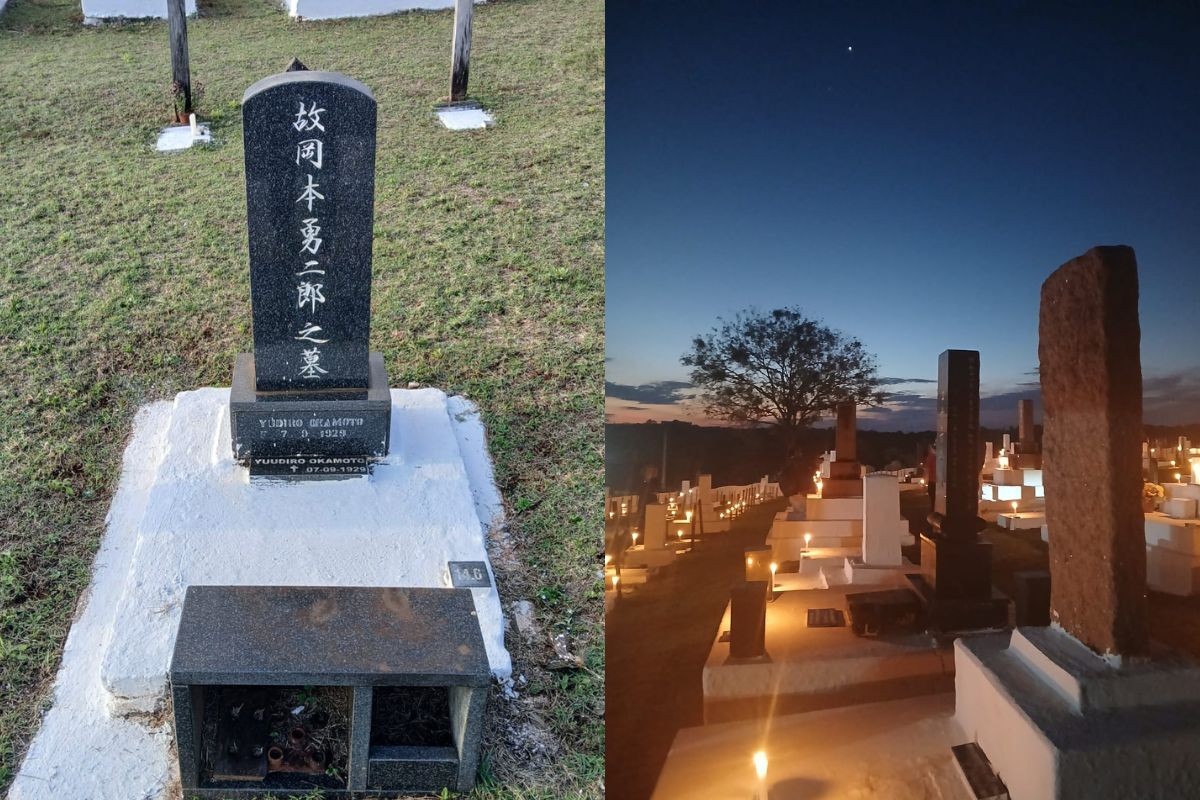
The 106th edition of Shokonsai concluded on Sunday, November 12th, with the "Ritual das Velas" (Candle Ritual) at Brazil's only historic Japanese cemetery in Álvares Machado, São Paulo. The event also featured a performance by the Camerata Orchestra. This tradition began in 1920, inspired by Japan's Obon festival, as Japanese families sought to honor their deceased relatives. Initially, the nearest cemetery was 15 kilometers away in Presidente Prudente, requiring bodies to be transported on foot. The establishment of a dedicated cemetery in Álvares Machado was facilitated by pioneer Naoe Ogassawara, especially following increased deaths from yellow fever and other diseases within the Japanese community. The first burial in this unique cemetery occurred on November 19, 1919. The following year, the memorial ceremony was named Shokonsai, meaning "invitation to the souls." The annual event has since evolved into a multi-generational tradition combining religious ceremony, cultural performances, and family gatherings. Alberto Yukio Nakada, vice-president of the Álvares Machado Cultural, Sports, and Agricultural Association (Aceam), emphasized that Shokonsai serves as a demonstration of gratitude to the pioneers. He stated that the tradition is a way for descendants to thank their ancestors for their contributions. The sight of lit candles on the graves creates a luminous tribute to the ancestors, with the Candle Ritual being a particularly striking and calming moment for many participants.
The Shokonsai festival at Álvares Machado's historic Japanese cemetery highlights the enduring power of cultural preservation and intergenerational connection. The event's origins, tied to practical necessities like local burial grounds and influenced by ancestral traditions like Obon, demonstrate how communities adapt and maintain heritage in new lands. The continued observance, particularly the visually striking Candle Ritual, underscores the psychological and social importance of memorialization and collective identity. From a systemic perspective, such traditions act as vital social glue, reinforcing community bonds and transmitting values across generations, which can be crucial for social cohesion and resilience. In an era increasingly defined by digital interaction and globalized culture, the physical and ritualistic nature of Shokonsai offers a counterpoint, emphasizing tangible connections to history and place, and prompting reflection on how societies balance modernity with the preservation of deeply rooted cultural practices.
AI-generated to prompt reflection — not editorial opinion, not advice, not a statement of fact. How this works.