Cangaço Route: Trail Retraces Lampião's Final Steps
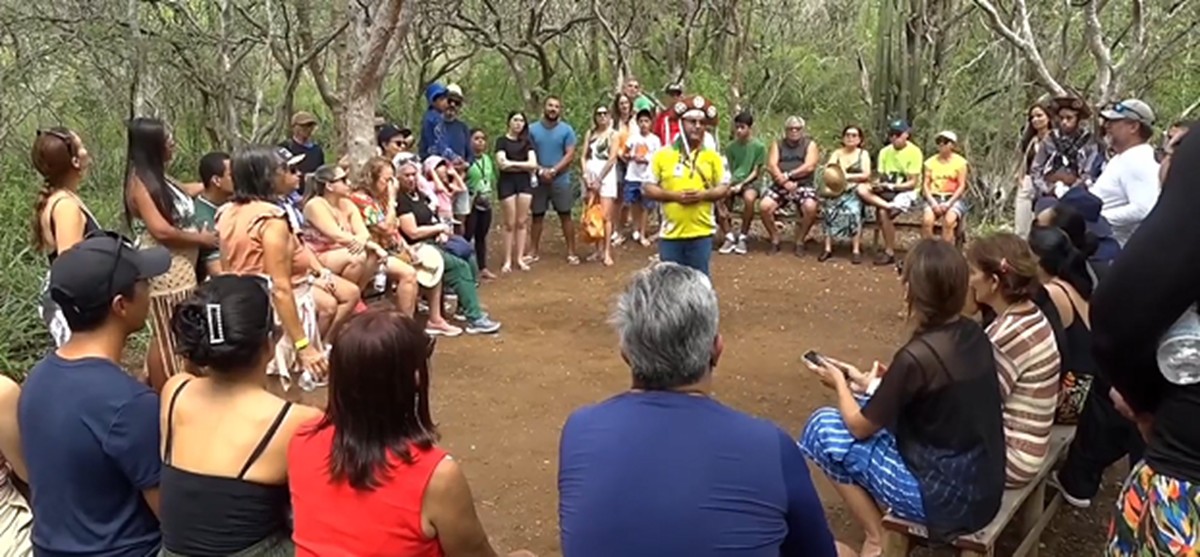
An 88-year-old trail in Brazil's Sertão region, known as the Rota do Cangaço, is drawing tourists to retrace the final journey of the legendary outlaw Lampião. Lampião, his partner Maria Bonita, and nine other members of their gang were killed on July 28, 1938, in an ambush by the Alagoas volante force at Grota do Angico in Sergipe. The route begins in Piranhas, Alagoas, where visitors cross the São Francisco River by catamaran. During the boat trip, guides share historical accounts of the region and the cangaceiros' final moments. One guide, Célio Rodrigues, recounted how his uncles were tortured by the volante force under Lieutenant João Bezerra to reveal Lampião's hiding place. After disembarking on the Sergipe side of the river in Canindé de São Francisco, tourists undertake a challenging 700-meter hike through the Caatinga vegetation to the ambush site. The terrain is steep and rocky, testing the endurance of visitors like Ednaide Pimenta and Rafael Holanda, who emphasized the historical significance of the experience. At the site, crosses and a plaque commemorate the 11 cangaceiros who died. The area, named Grota do Angico for a now-rare plant, offers a tangible connection to this period of Brazilian history. Beyond the historical site, the experience includes cultural elements, such as the xaxado dance, which preserves the memory of the cangaço through music and movement. Groups in Piranhas perform the xaxado, a dance originating in the early 20th century and associated with the cangaceiros. The dance, recognized as Brazilian cultural heritage, has evolved to include greater female participation and serves as a platform for challenging machismo and promoting diversity, with transgender individuals finding acceptance within performing groups.
The Rota do Cangaço offers a unique blend of historical tourism and cultural preservation, transforming a violent historical event into an educational and engaging experience. By focusing on the journey and the cultural legacy, such as the xaxado dance, the initiative provides a nuanced perspective on the cangaço era, moving beyond simple narratives of outlawry. This approach allows for the exploration of complex social dynamics, including historical injustices and evolving cultural expressions, while promoting regional identity and economic development. The emphasis on storytelling and participatory cultural activities, like the xaxado, fosters a deeper understanding of Brazilian heritage and its contemporary relevance, particularly in challenging traditional gender roles and promoting inclusivity.
AI-generated to prompt reflection — not editorial opinion, not advice, not a statement of fact. How this works.