Cannabis-derived compounds show promise in reducing agitation in advanced dementia patients
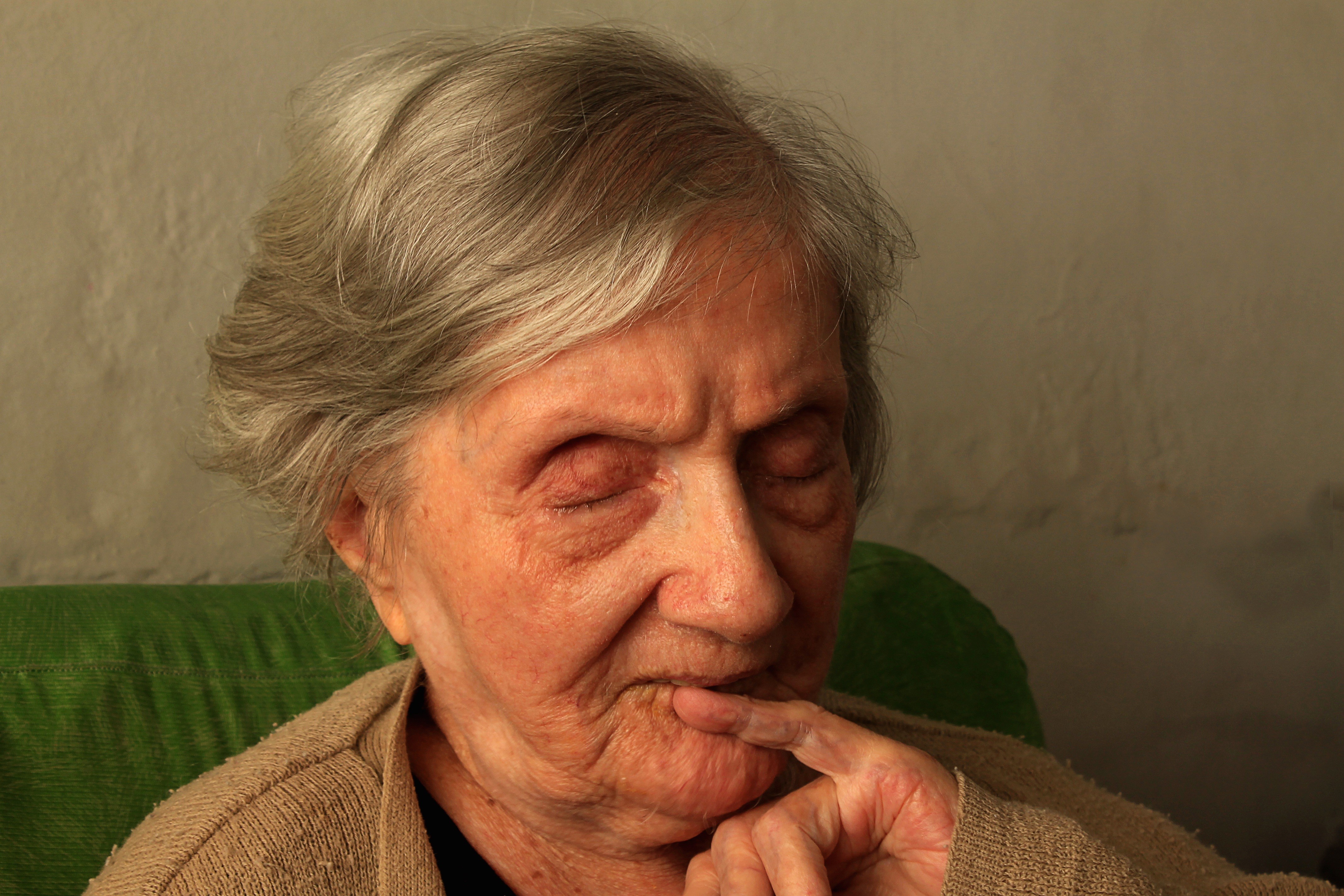
A Phase 2 clinical trial, presented at the International Alzheimer's Association Conference (AAIC 2026) in London, has demonstrated that a combination of THC (tetrahydrocannabinol) and CBD (cannabidiol) significantly reduced agitation in individuals with advanced stages of Alzheimer's and other dementias. The study, named LiBBY (Life’s End Benefits of cannaBidiol and tetrahYdrocannabinol), involved 120 participants with clinically relevant agitation, who received an oral formulation of 2 mg THC and 100 mg CBD twice daily. The trial was multicentric, randomized, double-blind, and placebo-controlled, considered a robust standard for medical research. Results showed that participants receiving the THC/CBD combination experienced a rapid and sustained reduction in agitation scores. By week 2, the treated group showed a 6.27-point greater reduction in agitation scores compared to placebo, and by week 12, this difference increased to 8.23 points. Furthermore, physician-assessed global improvement was notably higher in the THC/CBD group, with 83.9% showing improvement at week 2 and 87.2% at week 12, compared to 30.5% and 23.6% in the placebo group, respectively. Agitation affects approximately half of individuals with dementia near the end of life and can manifest as repetitive behaviors, vocalizations, or physical aggression, often signaling unmet needs or discomfort. This new therapeutic approach offers potential for a more humane and dignified experience for patients and their families during a vulnerable time, as current treatments like benzodiazepines and antipsychotics carry significant risks. Separately, the Alzheimer's Association also announced the launch of the $100 million PROTECT-Cog study, a global trial investigating whether combining lifestyle interventions with GLP-1 receptor agonist medications can further reduce the risk of cognitive decline, mild cognitive impairment, and dementia in older adults.
This research presents a promising avenue for managing agitation in advanced dementia, a symptom that significantly impacts patient well-being and caregiver burden. The rigorous methodology, including randomization and double-blinding, lends credibility to the observed benefits of THC/CBD. By offering a potential alternative to current therapies with significant side effects, this cannabinoid-based treatment could enhance the quality of life for individuals in the late stages of dementia. Future research will need to explore long-term efficacy, optimal dosing, and potential interactions, while also considering the evolving regulatory landscape for cannabis-derived therapeutics. The parallel announcement of the PROTECT-Cog study highlights a broader, multi-faceted approach to dementia prevention and management, integrating lifestyle factors with pharmacological interventions, reflecting a growing understanding of the complex biological and environmental influences on cognitive health.
AI-generated to prompt reflection — not editorial opinion, not advice, not a statement of fact. How this works.