Cannibalism: A Misunderstood Practice
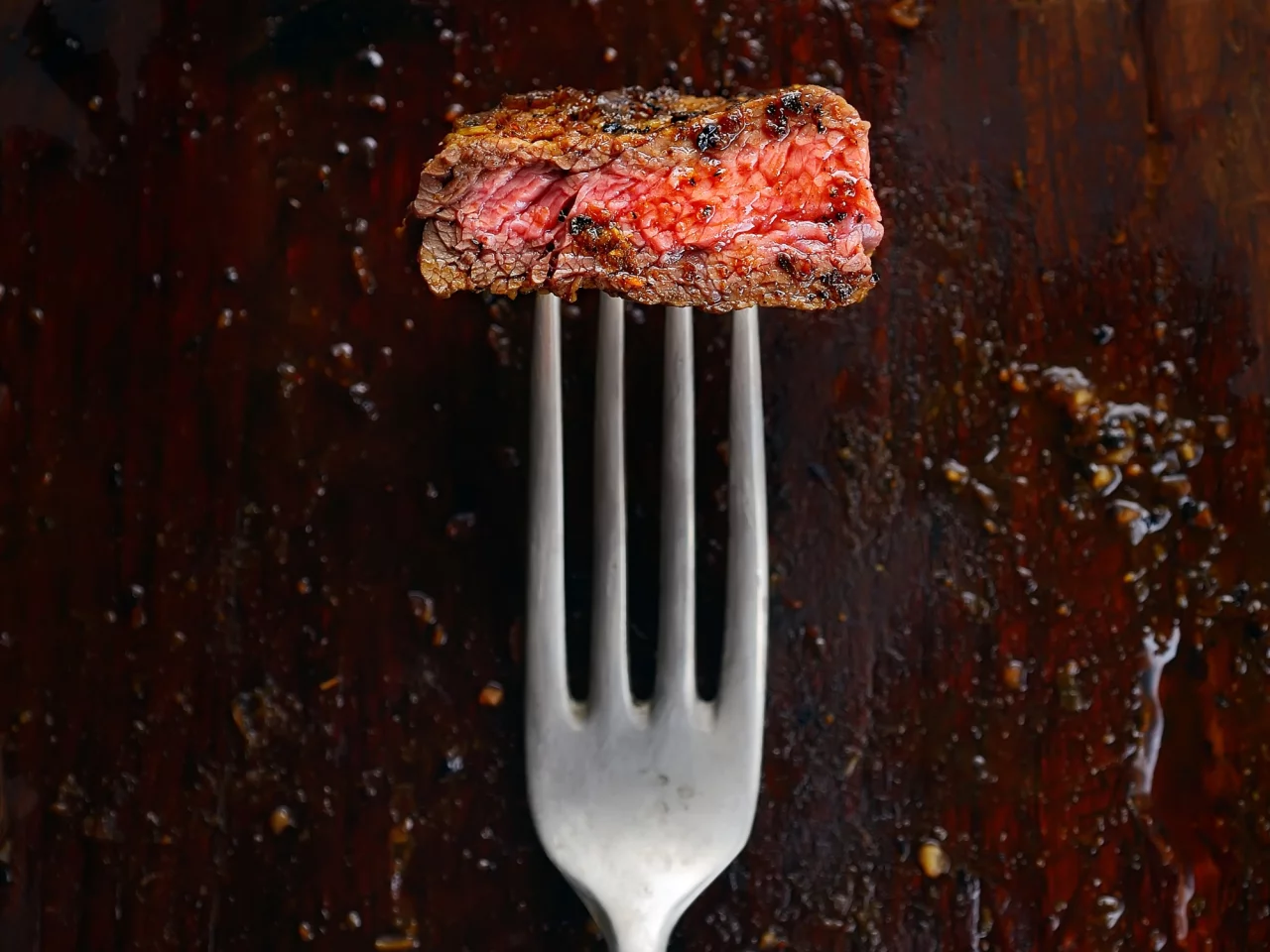
The article explores the concept of cannibalism, suggesting it is not as straightforward or appealing as it might sound. While most people would not consider consuming human flesh, even in times of extreme scarcity, the topic is presented for consideration. The piece touches upon various aspects of society, diet, and the human body and mind. It references the University of Wrocław, indicating a potential academic or research perspective on the subject. The discussion also broadly relates to red meat consumption and societal norms surrounding food and survival. The overall tone suggests a deconstruction of the idea of cannibalism, moving beyond sensationalism to a more nuanced examination.
The discussion around cannibalism, even when framed as a thought experiment, touches upon deep-seated societal taboos and evolutionary psychology. Examining such practices, even hypothetically, can reveal insights into human social structures, resource scarcity responses, and the ethical boundaries that define our species. From a biological perspective, the risks associated with consuming conspecifics, such as disease transmission (prion diseases being a notable example), likely played a significant role in shaping these taboos. Sociologically, the prohibition of cannibalism is often intertwined with kinship structures and the definition of personhood, reinforcing group cohesion and identity by clearly distinguishing 'us' from 'them'. Understanding the historical and potential future contexts where such practices might arise, however rare, prompts reflection on the resilience of human social norms and the fundamental drivers of survival versus ethical considerations.
AI-generated to prompt reflection — not editorial opinion, not advice, not a statement of fact. How this works.