Cannibalism Poses Health Risks, Scientists Confirm
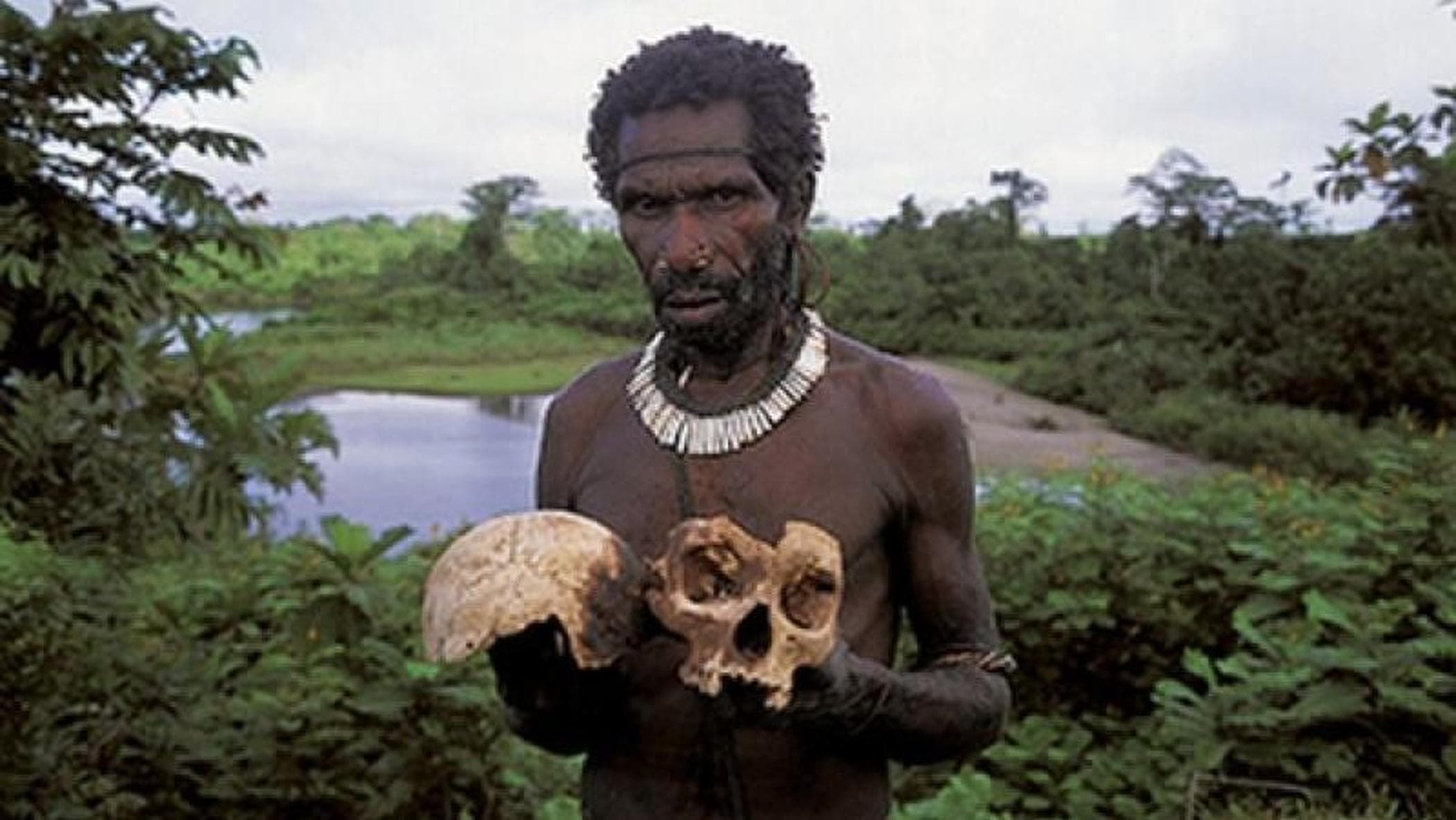
Cannibalism, a practice that has appeared throughout human history but has always been rejected, poses significant health risks, according to two scientists. Their research, aided by the Fore tribe of Papua New Guinea who historically practiced ritualistic cannibalism, has shed light on the reasons behind this taboo. The Fore people, who until recently consumed the brains of their deceased relatives as part of funerary rites, have provided crucial insights into the transmission of diseases through this practice. The scientists' findings indicate that consuming human flesh can lead to serious infections. This biological danger is a primary reason why cannibalism has been universally shunned across cultures. The study underscores the evolutionary and public health rationale for the widespread prohibition of consuming human remains.
The scientific confirmation of health risks associated with cannibalism, particularly the transmission of infectious agents, provides a biological basis for a long-standing cultural taboo. This understanding shifts the perspective from purely moral or social prohibitions to a pragmatic public health imperative. Examining the historical practices of groups like the Fore tribe, through the lens of modern epidemiology, highlights how societies have historically navigated existential threats through ingrained customs. In an era increasingly defined by global connectivity and the potential for novel pathogen emergence, understanding the deep-seated, biologically-driven reasons for such taboos offers valuable lessons in risk mitigation and the resilience of human social structures against biological hazards.
AI-generated to prompt reflection — not editorial opinion, not advice, not a statement of fact. How this works.