Canon EOS R6 III: Key Upgrades for Astrophotography
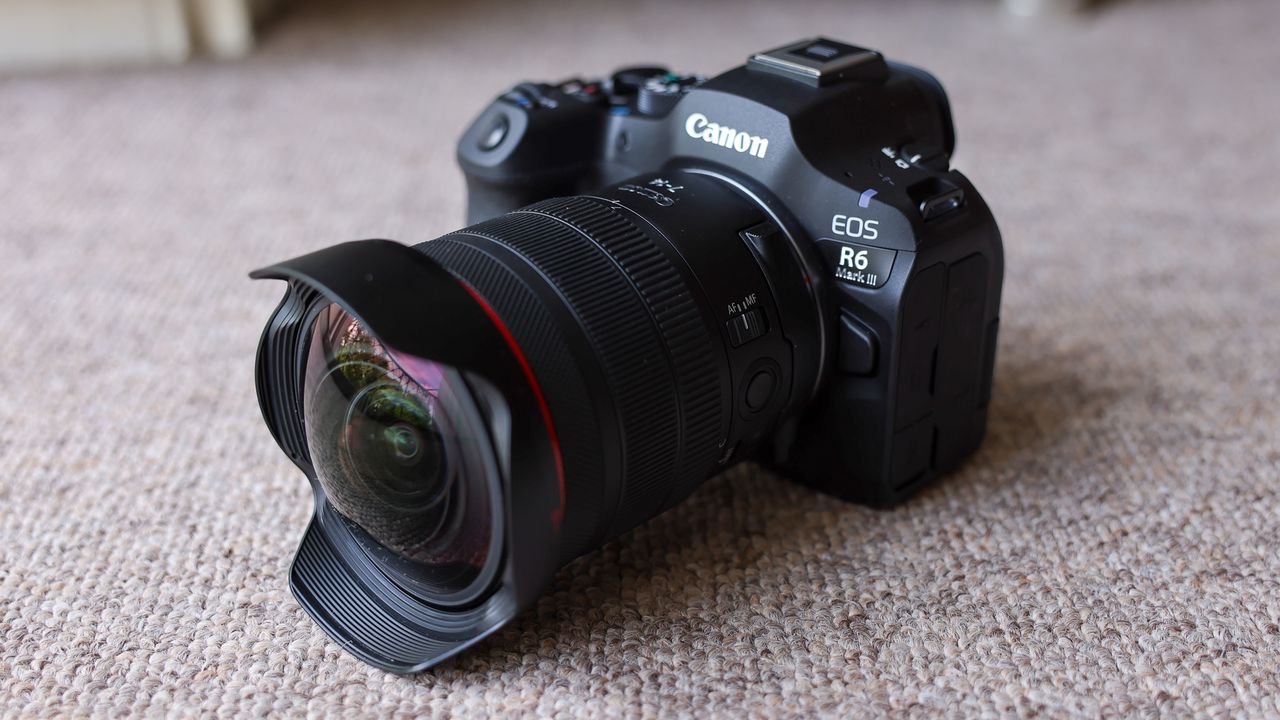
The new Canon EOS R6 III camera introduces several enhancements over its predecessor, the EOS R6 II. Notably, it boasts an increase of 8 megapixels in resolution, bringing the total to a higher count than the R6 II. Additionally, the R6 III incorporates a CFexpress card slot, which typically offers faster data transfer speeds compared to older card formats. Another significant improvement highlighted is enhanced autofocusing capability, particularly in low-light conditions. The central question addressed is whether these specific upgrades—higher resolution, CFexpress support, and improved low-light AF—translate into tangible benefits for astrophotography enthusiasts. The article aims to evaluate the practical impact of these new features on capturing celestial subjects.
The introduction of the Canon EOS R6 III with increased resolution, CFexpress support, and improved low-light autofocus presents a case study in iterative product development within the digital imaging sector. While these upgrades offer potential advantages for specialized fields like astrophotography, their true value is contingent on how effectively they address the unique challenges of capturing faint celestial objects. The increased resolution may offer greater detail, but sensor noise performance at high ISOs remains a critical factor for astrophotography. CFexpress cards can facilitate faster workflow, but the practical impact on image capture itself is indirect. Enhanced low-light autofocus is a direct benefit, potentially reducing missed shots during critical observing windows. The market's reception will likely hinge on a nuanced balance between these technical specifications and the real-world performance gains for photographers operating in extreme low-light environments, a persistent challenge in the ongoing evolution of imaging technology.
AI-generated to prompt reflection — not editorial opinion, not advice, not a statement of fact. How this works.