Cape Town Approves R87.8 Billion Budget Amidst Resident Backlash Over Higher Costs
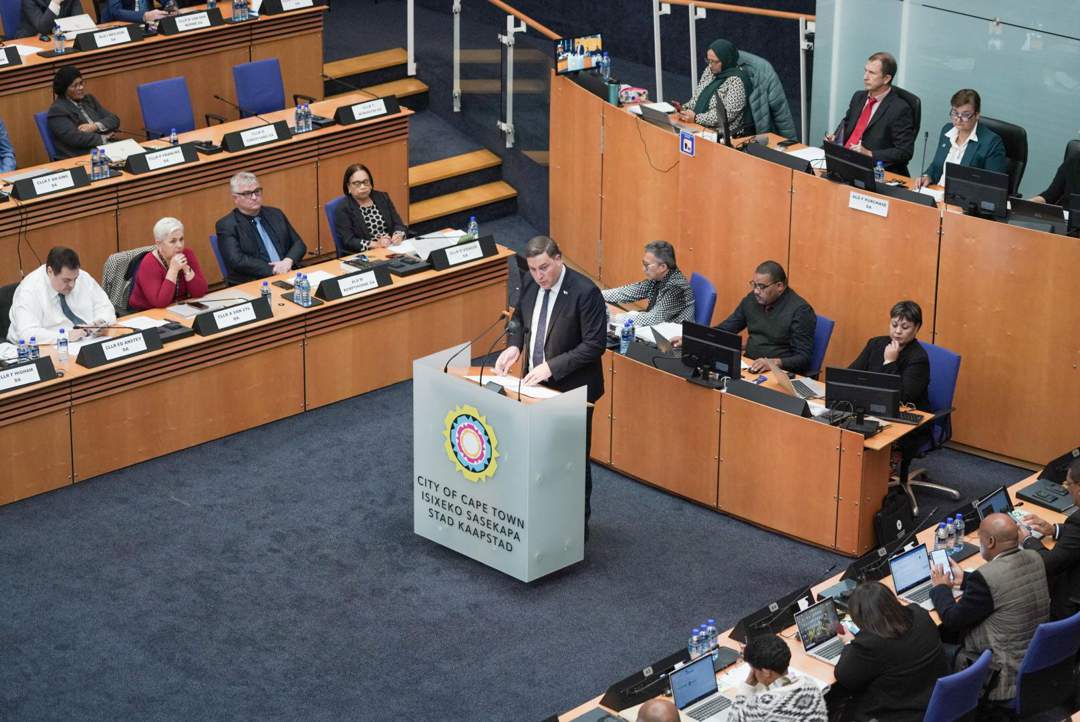
The City of Cape Town has officially adopted its R87.8 billion budget, branded as the "City of Hope," following a contentious special council meeting. The decision was made despite significant opposition from various parties who voiced strong concerns during the sitting. These opposition parties warned that escalating rates, tariffs, and service charges are progressively rendering the city unaffordable for a large segment of its residents. The debate highlighted a deep division regarding the financial sustainability and accessibility of essential services for the populace. The budget's approval signifies the council's commitment to its financial plan, even in the face of considerable public and political pressure. The concerns raised by opposition parties point to potential challenges in service delivery and resident satisfaction moving forward. The "City of Hope" budget aims to fund various municipal projects and services over the coming fiscal period.
The City of Cape Town's adoption of an R87.8 billion budget, despite resident concerns about rising costs, highlights a common tension between municipal financial planning and public affordability. This situation presents a systemic challenge for urban governance: balancing the need for revenue to fund essential services and infrastructure development against the immediate economic pressures faced by citizens. Future municipal strategies may need to explore diversified revenue streams or efficiency gains to mitigate the impact of ratepayer increases. The long-term viability of such budgets will likely depend on fostering economic growth within the city that outpaces the cost of living, thereby absorbing increased municipal charges.
AI-generated to prompt reflection — not editorial opinion, not advice, not a statement of fact. How this works.