Cape Town Atlantic Seaboard Development Sparks Fierce Resident Opposition
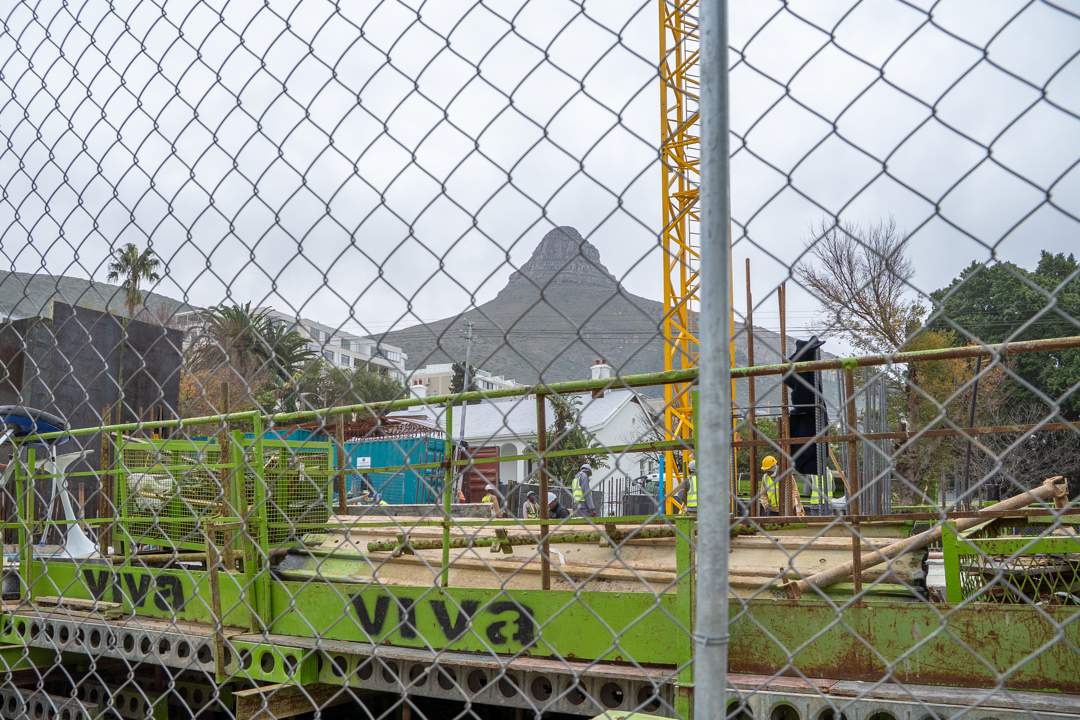
A recent public meeting in De Waterkant, Cape Town, highlighted escalating conflict between residents and the City of Cape Town regarding development projects. Civic organizations have voiced concerns, stating that public trust in the city's planning system is diminishing. The meeting underscored the deep divisions and growing frustration among residents who feel their concerns are not being adequately addressed by the local government. This situation reflects a broader trend of community pushback against urban development initiatives that are perceived to negatively impact local environments and resident quality of life. The intensity of the debate suggests a critical juncture in how future development will be approached in the Atlantic Seaboard area. Residents are demanding greater transparency and a more inclusive decision-making process. The city faces pressure to reconcile development goals with community preservation and resident interests.
The conflict over development in Cape Town's Atlantic Seaboard illustrates a common tension between urban growth objectives and community preservation. As cities expand, balancing the economic benefits of development with the social and environmental concerns of existing residents becomes increasingly complex. Civic groups' warnings about eroding confidence in the planning system suggest a need for improved public engagement and more transparent decision-making processes. Future urban planning must proactively address these systemic contradictions by fostering genuine dialogue and ensuring that development aligns with long-term community well-being and sustainability goals, rather than solely short-term economic gains. This approach could build greater trust and lead to more equitable outcomes.
AI-generated to prompt reflection — not editorial opinion, not advice, not a statement of fact. How this works.