Cape Town's Future Hinges on Child Development and Inclusion in Urban Planning
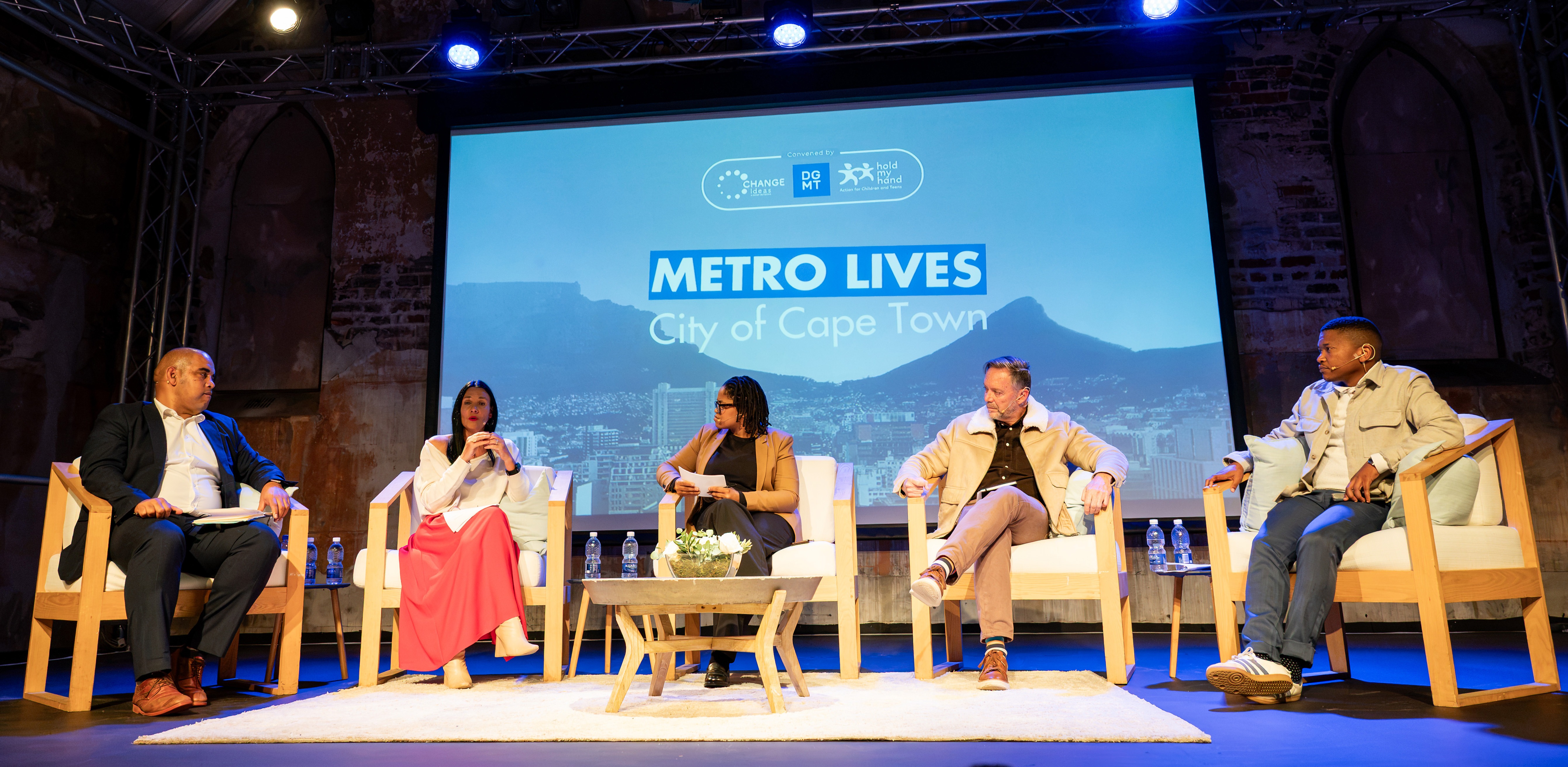
Cape Town's urban development strategy must prioritize the needs of children, who are significantly impacted by municipal decisions but lack voting rights. This was a key takeaway from a Metro Lives dialogue hosted by the DG Murray Trust on July 21st. Political leaders and child advocates gathered to discuss crucial areas for enhancing the lives of the city's youth.
Discussions highlighted the importance of robust support for early childhood development (ECD) programs. Furthermore, the creation of safe and accessible spaces for children was identified as a critical need. Advocates also stressed the necessity of targeted investments in the city's most vulnerable communities. The aim is to address and dismantle existing spatial inequalities that disproportionately affect children and their families, thereby shaping a more equitable future for Cape Town.
Municipal governance significantly shapes the daily realities of children, yet they are excluded from electoral processes that determine these policies. This dialogue highlights a systemic challenge: urban planning often proceeds without meaningful child participation, potentially leading to outcomes that do not adequately serve their developmental needs or address deep-seated spatial inequalities. Future urban development frameworks may benefit from incorporating mechanisms for child representation or advisory bodies to ensure their perspectives are integrated into decision-making. This approach could foster more inclusive and sustainable urban environments, aligning with long-term societal well-being and intergenerational equity, particularly in the context of increasing urbanization and its associated challenges.
AI-generated to prompt reflection — not editorial opinion, not advice, not a statement of fact. How this works.