Cape Verde: A Journey to Praia and the Beauty of Unhurried Living
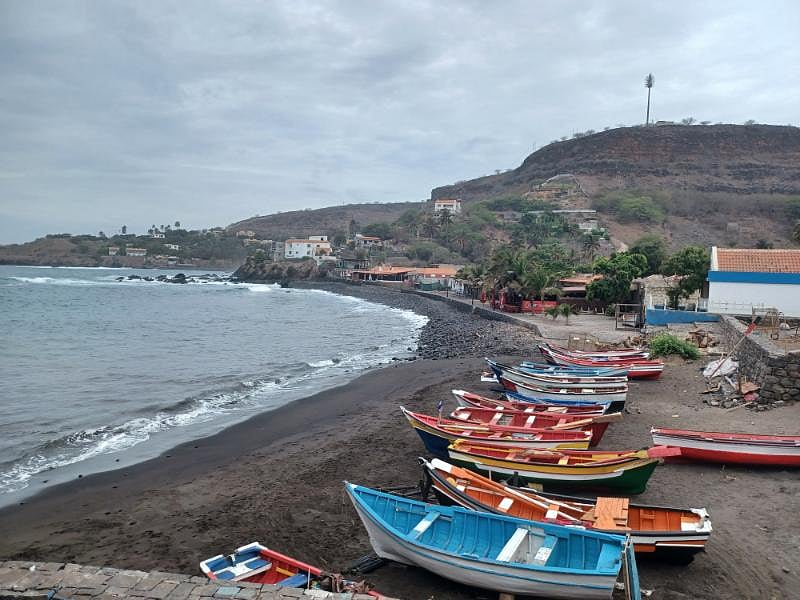
The author recounts a trip to Praia, the capital of Cape Verde, an archipelago nation in the Atlantic Ocean composed of 11 islands. This former Portuguese colony, located about 700 miles west of Dakar, Senegal, retains strong Portuguese influences in its architecture, culture, cuisine, music, and customs. The author's visit was prompted by Cape Verde's surprising success in the World Cup, leading to a spontaneous three-day trip to Praia. Upon arrival, the author was met by a local guide named Eduardo, who shared the nation's disbelief and pride in their national football team's achievements.
Praia, situated on the southern tip of Santiago, the largest island, is a small but picturesque city. The older part, Plato, sits atop a hill with narrow, black stone streets and colorful houses, while the newer section lies in a valley below. The author observed a remarkable lack of ostentation, even at the Presidential Palace, and noted a controlled, yet joyful, public reaction to the World Cup matches. This contrasted with the author's expectations of grand celebrations.
The author was deeply impressed by the Cape Verdean people's approach to life, characterized by a lack of stress and an ability to embrace both joys and hardships with equanimity. Eduardo explained that Cape Verdeans live by the saying, "You have clocks, but we have time," emphasizing their unhurried lifestyle. The author reflects on how this focus on simple living, time with loved ones, and present enjoyment, rather than material pursuits, offers a valuable lesson. Evenings in Praia are described as beautiful, with the author experiencing local music and poetry readings by the sea, highlighting the serene and reflective atmosphere of the island.
The narrative highlights a cultural contrast between a fast-paced, achievement-oriented Western lifestyle and the seemingly more present-focused, unhurried existence in Cape Verde. The author's observations suggest that societal success metrics may differ significantly, with Cape Verdean culture prioritizing well-being and temporal presence over material accumulation and rigid schedules. This perspective invites reflection on the potential trade-offs inherent in modern societal structures that emphasize constant productivity and future-oriented goals, potentially at the expense of immediate life enjoyment and interpersonal connection. The analysis of controlled public celebration also points to cultural norms around emotional expression and collective identity, suggesting that national pride can be expressed through various, not always overtly demonstrative, means.
AI-generated to prompt reflection — not editorial opinion, not advice, not a statement of fact. How this works.