Cape Verde: From Slave Trade History to the World Cup Stage
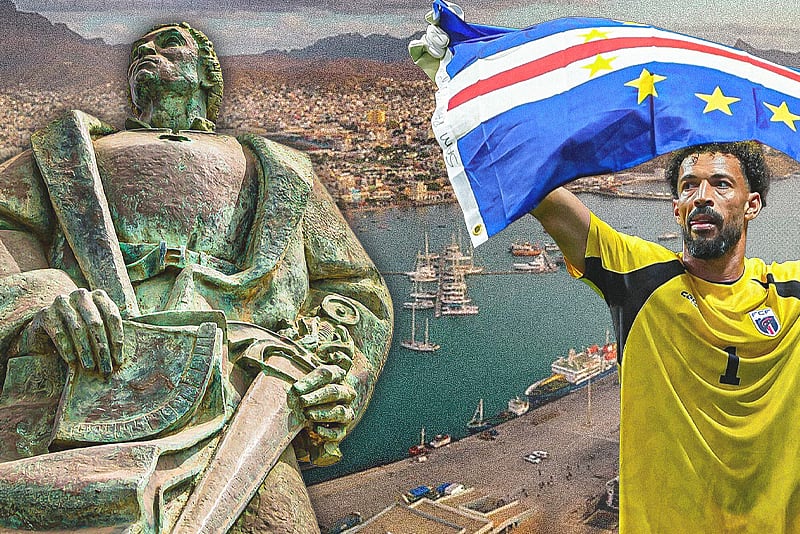
Cape Verde, a nation previously unknown to many, has recently gained significant international attention due to its qualification for the World Cup in football. This achievement marks a remarkable journey for the island country, highlighting its transformation and rise on the global stage. The nation's history is deeply intertwined with the transatlantic slave trade, a dark period that significantly shaped its identity and development. Despite this challenging past, Cape Verde has emerged as a symbol of resilience and progress. The World Cup qualification represents not just a sporting triumph but also a powerful narrative of overcoming historical adversity. The team's success is expected to bring increased global recognition to Cape Verde, potentially boosting its tourism and economy. This newfound prominence offers an opportunity for the country to showcase its culture and unique heritage to a worldwide audience. The journey from its origins in the slave trade to competing in one of the world's most prestigious sporting events is a testament to the enduring spirit of its people.
Cape Verde's ascent to the World Cup stage, following a history marked by the slave trade, presents a compelling case study in national development and historical overcoming. This narrative highlights the potential for nations to transcend challenging pasts through collective effort and aspiration. The global visibility gained through sporting achievement can serve as a powerful catalyst for economic growth, cultural exchange, and international perception shifts. It underscores the interconnectedness of historical legacies and contemporary national identity, prompting reflection on how past injustices can be transformed into future opportunities through resilience and strategic development.
AI-generated to prompt reflection — not editorial opinion, not advice, not a statement of fact. How this works.