Cape Verde Goalkeeper Vozinha's Nickname Originates from Childhood Bullying
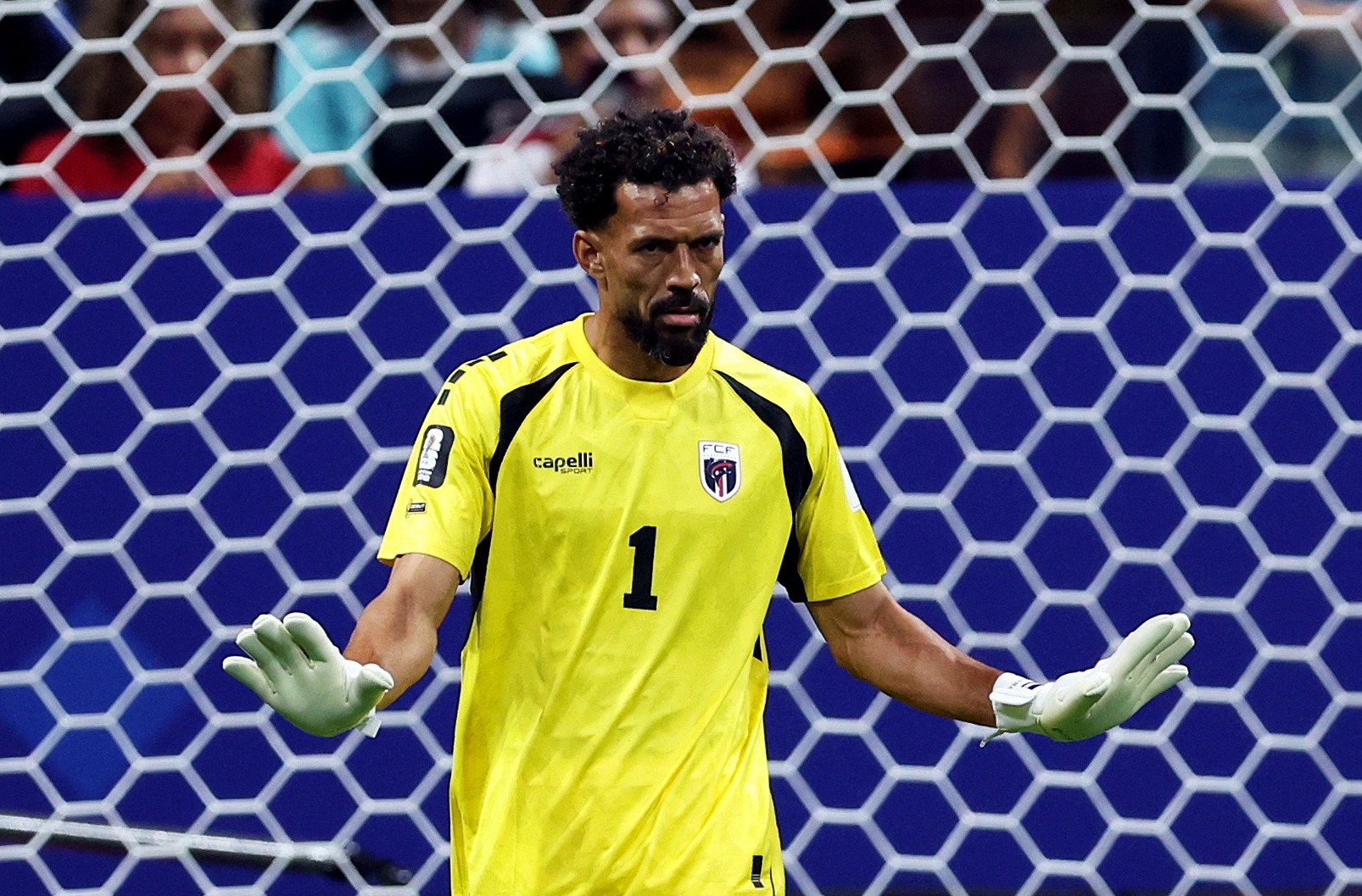
Cape Verde's goalkeeper, known by the nickname Vozinha, has gained attention during the World Cup match against Argentina. His unique moniker, however, stems from childhood experiences rather than his age of 40. The goalkeeper, whose birth name is Josimar Dias, was raised by his grandparents on the island of São Vicente in Cape Verde. As a child, he was known for his competitive and rebellious nature during street football games with older boys. When he would get hurt or lose without retaliating, other children would tease him, saying he was going to cry and 'complain to grandma' (vozinha in Portuguese). This nickname stuck with him throughout his life. Later, when starting his professional career in Angola, he found another player named Josimar on his team. To avoid confusion and not be called 'Josimar II', he adopted his childhood nickname, Vozinha, which has since become his trademark. Interestingly, his birth name, Josimar, was a tribute to the former Brazilian national team player who also played for Botafogo. The linguistic landscape of Cape Verde, where Portuguese is the official language but Cape Verdean Creole is widely spoken, adds another layer to understanding the nickname's context.
The origin of the nickname Vozinha highlights how formative childhood experiences, even those involving bullying, can shape an individual's identity and public persona. The adoption of the nickname in professional sports demonstrates the enduring power of personal history and the complex interplay between individual identity and external perception. This narrative also underscores the cultural significance of language, particularly the role of Creole in Cape Verde, as a vehicle for affection and national identity, contrasting with the official Portuguese language. Examining such origins can offer insights into how societal dynamics, including peer interactions and linguistic heritage, contribute to the formation of public figures and their connection with audiences.
AI-generated to prompt reflection — not editorial opinion, not advice, not a statement of fact. How this works.