Cape Verde Visa Requirements for Bangladeshis: New Rules Effective January 1, 2026
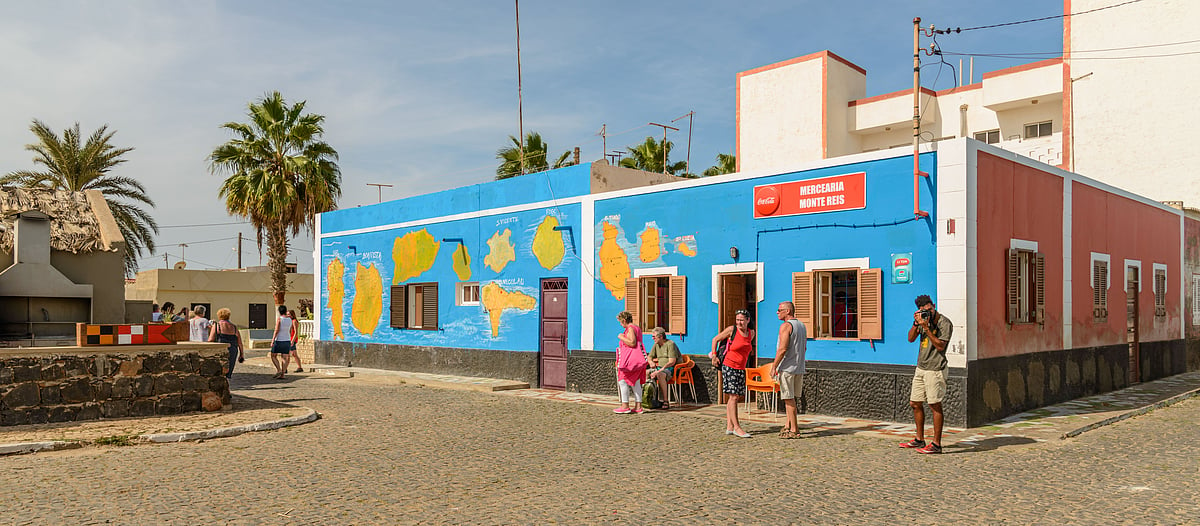
As of January 1, 2026, Bangladeshi citizens will require a visa to enter, transit, or make a stopover in Cape Verde. This new directive from the Cape Verdean government affects citizens from 91 countries, including Bangladesh. Failure to obtain a visa in advance may result in denial of entry, transit, or stopover at the airport. Applicants are advised to contact the nearest Cape Verdean embassy in their home country to secure the necessary visa. Currently, Bangladesh does not have a Cape Verdean embassy, meaning citizens typically need to apply through an embassy located in a third country. While the Henley Passport Index ranks Bangladesh's passport 96th, allowing visa-free travel to 36 destinations, this index may not immediately reflect changes in individual countries' visa policies. Therefore, it is crucial to verify the latest visa regulations with the official immigration or foreign ministry website of the destination country before planning international travel. A Bangladeshi tourist, Kazi Asma Azmeri, had previously obtained a six-month visa for Cape Verde from the embassy in Senegal for a planned trip in 2024, but ultimately canceled her travel due to flight cancellations caused by a fuel crisis in Mali. Cape Verde, an island nation of over 600,000 people situated in the Atlantic Ocean off the coast of West Africa, is gaining popularity among tourists for its beaches, volcanoes, Creole culture, and music. Direct flights from Bangladesh to Cape Verde are unavailable; travel typically involves flights with Ethiopian Airlines via Addis Ababa and then Senegal, or transit through European countries like Portugal.
The divergence between the Henley Passport Index's listing and Cape Verde's official immigration directive highlights a common challenge in international travel information dissemination. While indices offer a useful overview, their updates may lag behind sovereign policy changes, underscoring the imperative for travelers to consult official government sources. This situation reflects the complex interplay between global mobility rankings and national security or immigration control measures. For Bangladesh, the absence of a local Cape Verdean embassy necessitates reliance on third-country diplomatic channels, adding a layer of logistical complexity and potential cost for its citizens seeking to visit. As global travel patterns evolve, particularly with the rise of island nations as tourist destinations, such policy adjustments by countries like Cape Verde are indicative of a broader trend towards more regulated entry requirements, balancing tourism promotion with border management.
AI-generated to prompt reflection — not editorial opinion, not advice, not a statement of fact. How this works.