Capital One Explains Why Trump Organization Accounts Were Closed
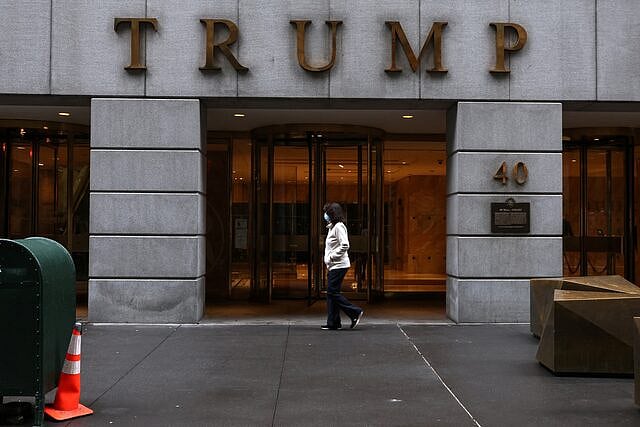
Capital One Financial has officially explained its decision to close bank accounts belonging to the Trump Organization, responding to a lawsuit filed by the organization. The financial institution stated that the accounts were closed several years ago following a review by anti-money laundering experts. This marks the first time a bank has publicly cited concerns or risks related to money laundering in connection with Donald Trump's family business. Capital One is requesting the court to dismiss the lawsuit, questioning the basis of the Trump Organization's claims of being illegally denied banking services or facing service rejection due to religious or political reasons.
While Capital One has never accused the Trump Organization of illegal money laundering, court documents filed on Friday indicated that the accounts were closed due to anti-money laundering (AML) compliance reasons. The decision followed months of analysis and careful review by Capital One's AML team, adhering to the bank's policies and regulatory guidance. The bank had informed Trump-related entities of its plan to close over 300 accounts in March 2021.
The Trump Organization and President Trump's son, Eric Trump, filed a lawsuit in March 2025 against Capital One in a Florida federal court. They alleged that Capital One closed the accounts due to an overly cautious stance and in response to the political climate following the January 6, 2021, Capitol riot. Capital One has refuted these claims, calling them "misconceived" and based on selective quotes without full context. The bank maintains that the transaction patterns identified fall under categories flagged as risky or requiring monitoring by federal banking guidelines.
This situation highlights the complex interplay between financial institutions' regulatory compliance obligations and potential accusations of political motivation. Banks operate under stringent anti-money laundering (AML) frameworks that necessitate careful scrutiny of transaction patterns. When such patterns align with federally recognized risk indicators, institutions are compelled to act, often by closing accounts, to mitigate legal and financial exposure. The Trump Organization's lawsuit frames these actions as politically driven, reflecting a broader concern among some conservative groups about financial institutions allegedly targeting right-leaning individuals or entities. The legal proceedings will likely focus on whether Capital One's actions were solely based on AML compliance requirements or if political considerations played an undue role. Examining the bank's internal policies, the specific transaction data, and the timing of the account closures in relation to political events will be crucial in determining the validity of the claims. This case underscores the ongoing challenge for financial institutions to balance regulatory adherence with public perception and potential legal challenges, particularly in a polarized environment.
AI-generated to prompt reflection — not editorial opinion, not advice, not a statement of fact. How this works.
