Captain Sully Sullenberger Reveals Alzheimer's Diagnosis
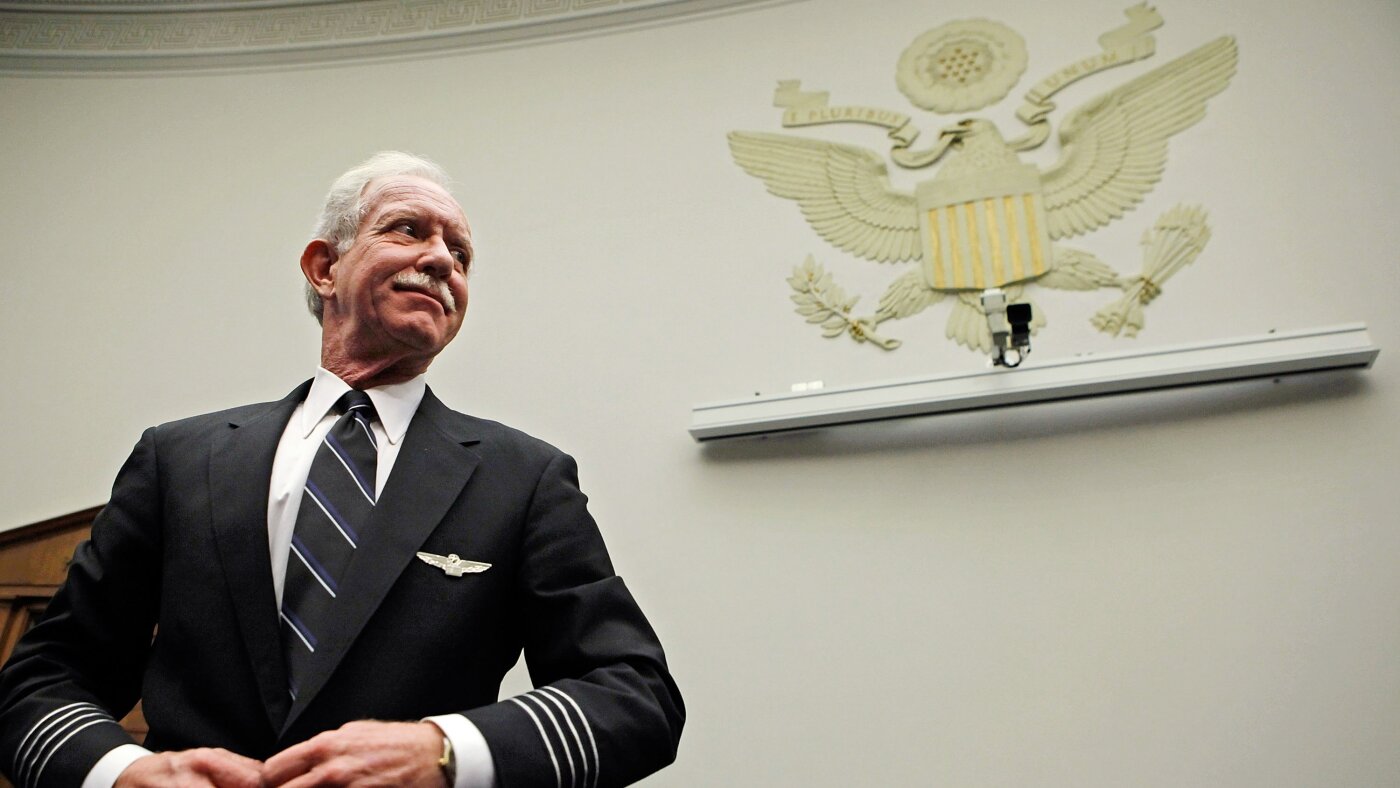
Chesley "Sully" Sullenberger, the retired pilot famously known for his heroic 2009 landing of US Airways Flight 1549 on the Hudson River, has publicly announced his diagnosis of Alzheimer's disease. The incident, often referred to as the "Miracle on the Hudson," saw Sullenberger successfully guide the Airbus A320-214 to a water landing after a dual engine failure, saving all 155 people on board. His calm and decisive actions during the emergency cemented his status as a national hero. Sullenberger continued a career in aviation safety advocacy following his retirement from commercial piloting. The announcement of his Alzheimer's diagnosis comes this week, bringing public attention to the challenges faced by individuals and families affected by neurodegenerative diseases. His courage in sharing this personal health information is being recognized.
Captain Sully Sullenberger's announcement of his Alzheimer's diagnosis highlights the pervasive impact of neurodegenerative diseases across all demographics, including those previously perceived as paragons of control and capability. This disclosure may prompt a broader societal conversation about early detection, support systems, and destigmatization of cognitive decline. From a systems perspective, it underscores the need for robust public health infrastructure and research funding to address conditions that will increasingly affect aging populations in the coming decades. The public's admiration for Sullenberger's past heroism now extends to his current vulnerability, offering a powerful, albeit personal, case study in resilience and the human condition.
AI-generated to prompt reflection — not editorial opinion, not advice, not a statement of fact. How this works.