Captive Russian Soldier Speaks with Disappointed Father in Russia
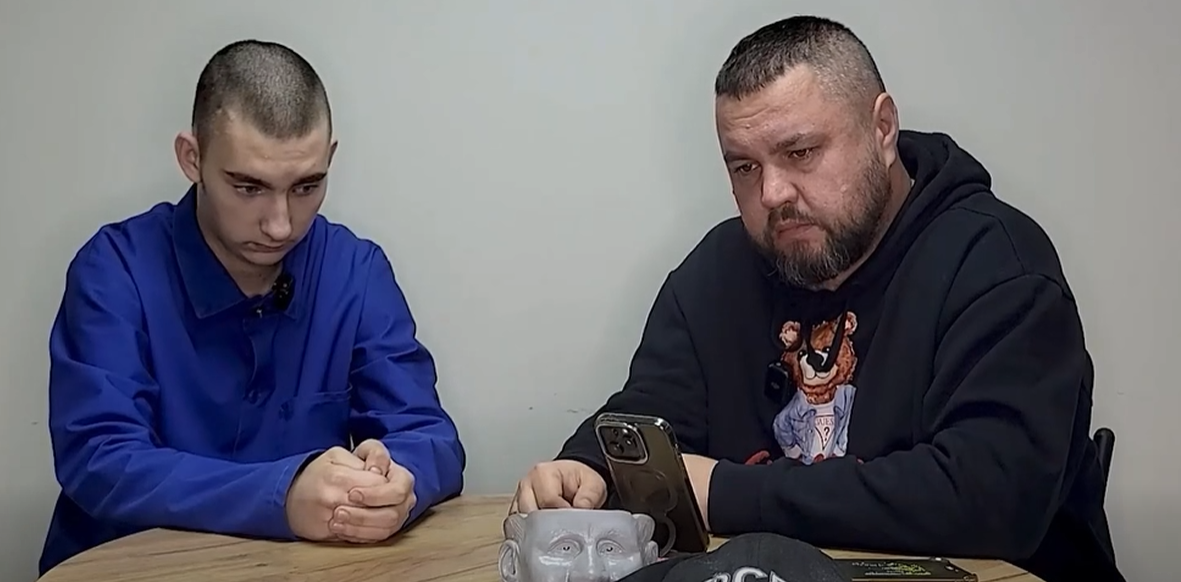
Since Russia's invasion of Ukraine began, Ukraine has launched various initiatives to discourage Russians from volunteering for the war. One notable project, created by a journalist, facilitates conversations between Russian soldiers captured as prisoners of war and their families back in Russia. This initiative aims to highlight the human cost of the conflict and potentially dissuade further participation. In a recent episode, the callous attitude of a father whose son joined the war against an independent state was particularly striking. The dialogue featured a young soldier, now a captive, speaking with his father in Russia. The father's response to his son's situation was notably unemotional, described by the soldier not as sadness, but rather as disappointment. This exchange underscores the profound disconnect and emotional detachment some families in Russia exhibit regarding the war in Ukraine. The journalist's project provides a unique, albeit disturbing, glimpse into the personal impact of the conflict on individuals and their families on both sides.
This interaction reveals a stark contrast between the reality of a soldier's captivity and the emotional response from a parent in Russia. The father's expressed disappointment, rather than concern or grief, suggests a potential prioritization of nationalistic narratives or a deep-seated emotional suppression regarding the conflict. This phenomenon may stem from state-controlled media narratives that frame the war in specific ideological terms, potentially influencing familial emotional responses. The journalist's project, by facilitating direct communication, bypasses traditional information channels, offering a raw, unvarnished perspective. Such initiatives highlight the complex psychological impact of prolonged conflict and propaganda on individuals and family units, prompting questions about societal empathy and the long-term consequences of state-sponsored narratives on interpersonal relationships.
AI-generated to prompt reflection — not editorial opinion, not advice, not a statement of fact. How this works.