Capybaras Spill into Streets, Prompting Calls for Fencing in São João da Boa Vista
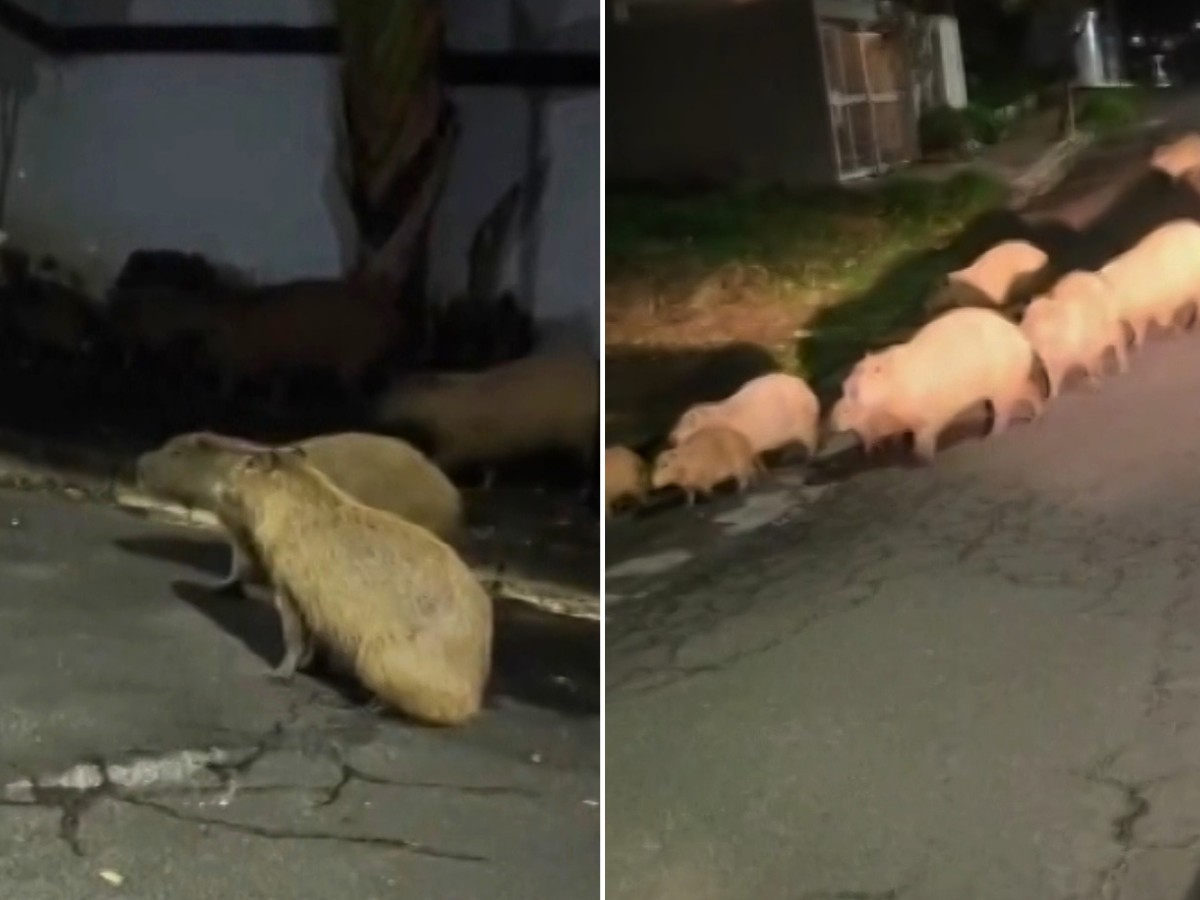
Residents of the Recanto do Lago neighborhood in São João da Boa Vista, São Paulo, are expressing growing concern over capybaras frequently venturing into local streets. This 'invasion' not only disrupts daily life but also raises fears of disease transmission, particularly from ticks carried by the animals. The problem, described as long-standing by residents like Felipe Sayegh, has persisted for at least a year, with capybaras often seen lounging in the sun during the day and roaming streets at night. Local vendors, such as Andréa Gomes and Ivana Aielo, report being unable to use public areas with their pets due to the risk of tick infestation, leading to feelings of shame and frustration. The situation has had tragic consequences, with auditor Egerton Chaim recounting the loss of his pet after it contracted a tick-borne illness, despite extensive treatment. The municipality stated that documentation for fencing the capybara's lake area has been forwarded for evaluation, with a bidding process to follow. However, residents feel little has changed since the issue was last reported a year ago. There are no warning signs indicating the presence of capybaras or the risk of ticks. Past discussions with Ibama about relocation or sterilization have not resulted in concrete action, with Ibama suggesting the state environmental agency (Cetesb) is responsible. Cetesb, in turn, has not received any formal requests for management or technical visits. Preliminary studies on relocation or sterilization are underway but remain uncertain.
The recurring issue of capybara overpopulation and their encroachment into urban areas highlights a common challenge in human-wildlife coexistence, particularly where natural habitats are adjacent to developed zones. The delay in implementing fencing solutions, despite resident complaints and documented health risks, suggests potential inefficiencies in municipal planning and inter-agency coordination. While relocation or sterilization are proposed, their feasibility and long-term effectiveness require rigorous assessment, balancing ecological impact with public safety and welfare. The situation underscores the need for proactive, integrated urban planning that anticipates and manages wildlife interactions, rather than reacting to escalating problems. Future strategies should consider adaptive management frameworks that can evolve with changing environmental conditions and urban development, ensuring sustainable coexistence.
AI-generated to prompt reflection — not editorial opinion, not advice, not a statement of fact. How this works.