Car Bombing Injures 11 in Colombian City Ahead of Presidential Inauguration
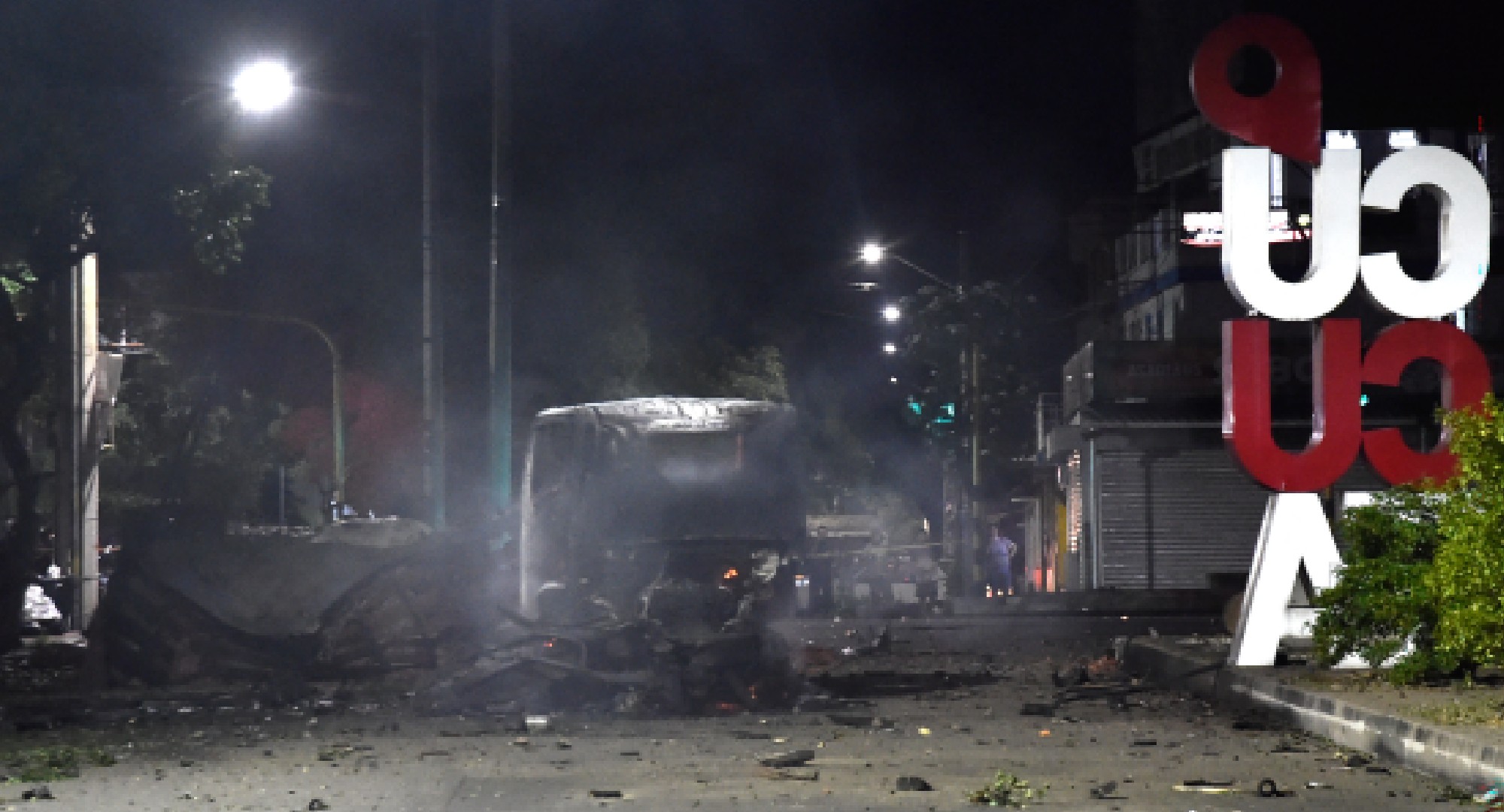
A car bomb exploded on Saturday, August 1st, in Cúcuta, Colombia, a city near the Venezuelan border, injuring at least 11 people. The vehicle, laden with explosives, detonated at the headquarters of the Norte de Santander Police. Journalists observed a burning vehicle, damaged facades, and a significant presence of police, military, and civilians at the scene. George Quintero, security secretary for Norte de Santander, confirmed that eight police officers and three civilians sustained injuries, condemning the act as "atrocious and violent." This incident occurs just six days before the inauguration of the president-elect, Abelardo de la Espriella, a far-right leader who will succeed Gustavo Petro, the nation's first leftist president. De la Espriella, who has expressed concerns about a plot to assassinate him, denounced the bombing on social media, vowing to bring the perpetrators to justice and assuring the public that "terrorism will not intimidate Colombia." The upcoming inauguration in Cali, a region affected by conflict, will feature an extensive security detail of nearly 11,000 soldiers and police. De la Espriella's administration is expected to adopt a harder stance against guerrilla and drug trafficking groups, diverging from Petro's peace negotiation efforts. The recent presidential election campaign was notably marked by political violence, including bombs and explosive drones, and attacks targeting security forces.
The car bombing in Cúcuta highlights the volatile security landscape in Colombia, particularly in the lead-up to a significant political transition. The attack, targeting a police facility shortly before the inauguration of a president-elect known for a tougher stance on armed groups, suggests a deliberate attempt to sow instability and test the incoming administration's resolve. This event underscores the complex challenges of governance in regions grappling with persistent armed conflict and organized crime, where shifts in policy can provoke forceful reactions from entrenched actors. The heightened security measures for the inauguration reflect a pragmatic response to these threats, acknowledging the potential for further disruption. The incident prompts consideration of the efficacy of different approaches to peace and security, and the systemic incentives that may perpetuate cycles of violence in the face of evolving political strategies.
AI-generated to prompt reflection — not editorial opinion, not advice, not a statement of fact. How this works.